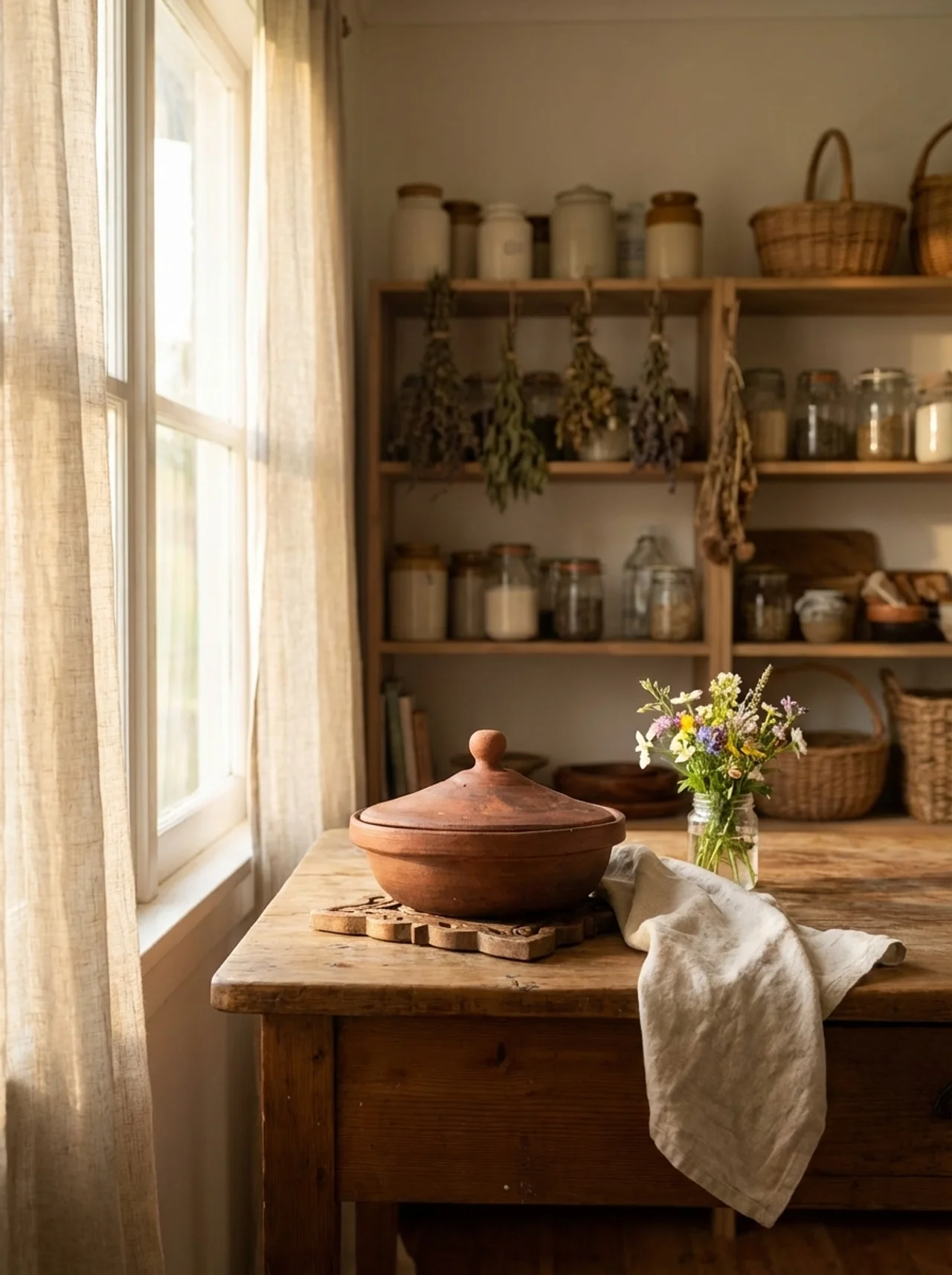
The Non-Toxic Way to Make Yogurt, Kefir & Cheese at Home

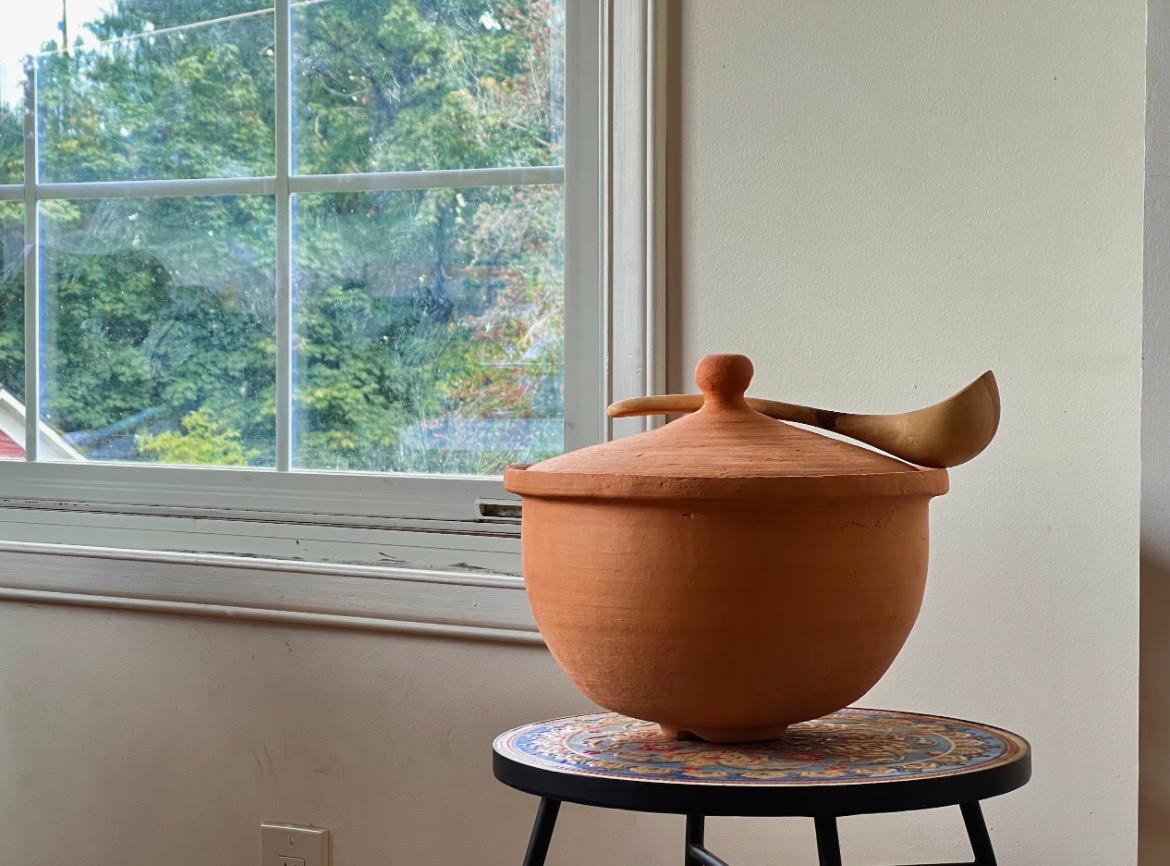
The Non-Toxic Way to Make Yogurt, Kefir & Cheese at Home

Homemade yogurt, kefir, and fresh cheese are having a serious moment, and for good reason! They are nutrient-dense, probiotic-rich, and far superior to most of what lines the dairy aisle at the grocery store. But there is one part of the homemade fermentation conversation that almost nobody is talking about: what you make them in.

Fermented foods are acidic by nature. And acidic foods are particularly effective at drawing material out of reactive cookware surfaces, which means the pot you heat your milk in is not as passive a vessel as most people assume. Most fermentation guides tell you exactly what temperature to culture your yogurt at and how long to ferment your kefir. None of them tell you that making these foods in a reactive or coated pan quietly works against the very reason you are making them in the first place.

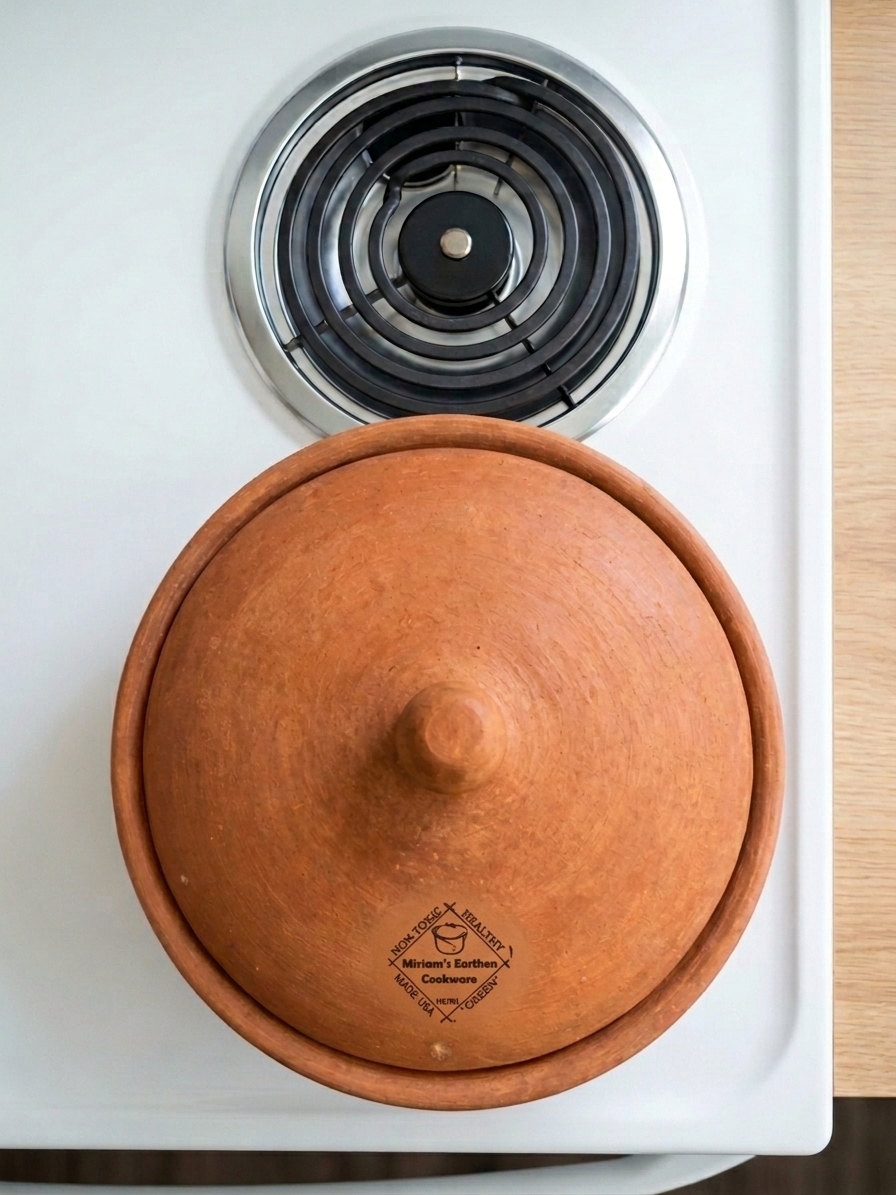
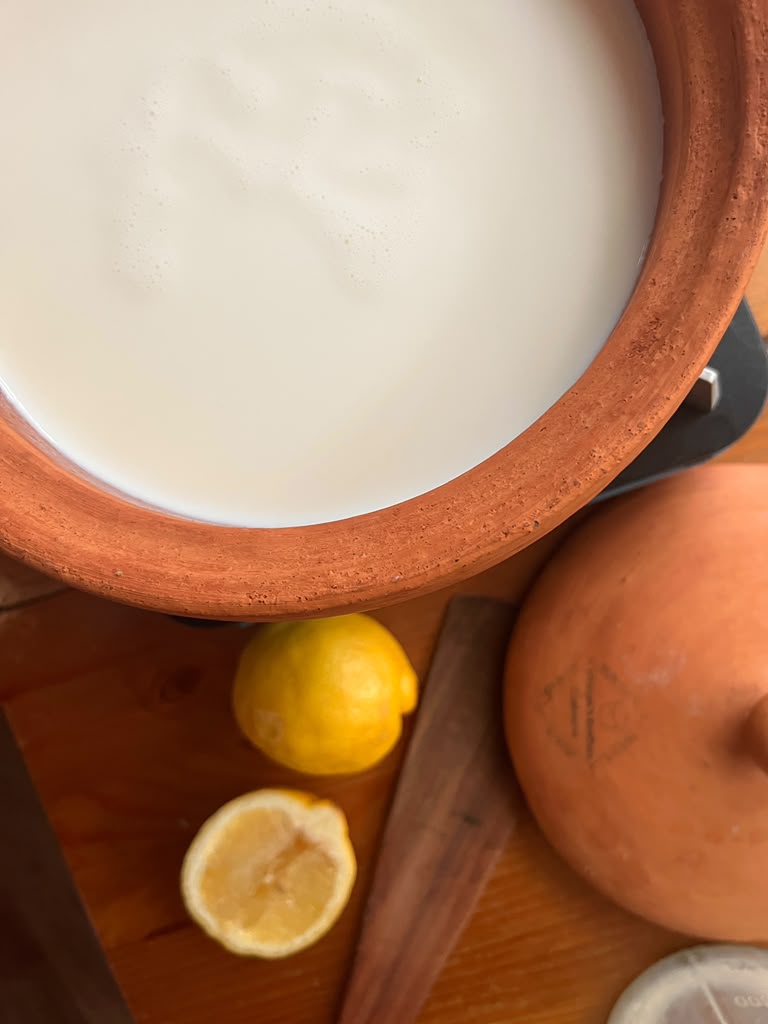
This week we are covering everything you need to know about making yogurt, kefir, and fresh cheese at home, the ingredients, the step by step process for each, and why Miriam’s pure unglazed clay is the cleanest, most natural vessel for doing it right.

Read More

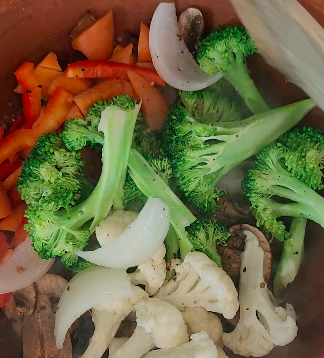
The Most Nutritious Vegetables and How to Cook Them Without Losing Their Benefits

The Most Nutritious Vegetables and How to Cook Them Without Losing Their Benefits

You already know that vegetables are good for you. You probably already buy organic when you can, choose colorful produce, and try to include them in every meal. But here is something most people never think to ask: how much of that nutrition actually survives the cooking process?
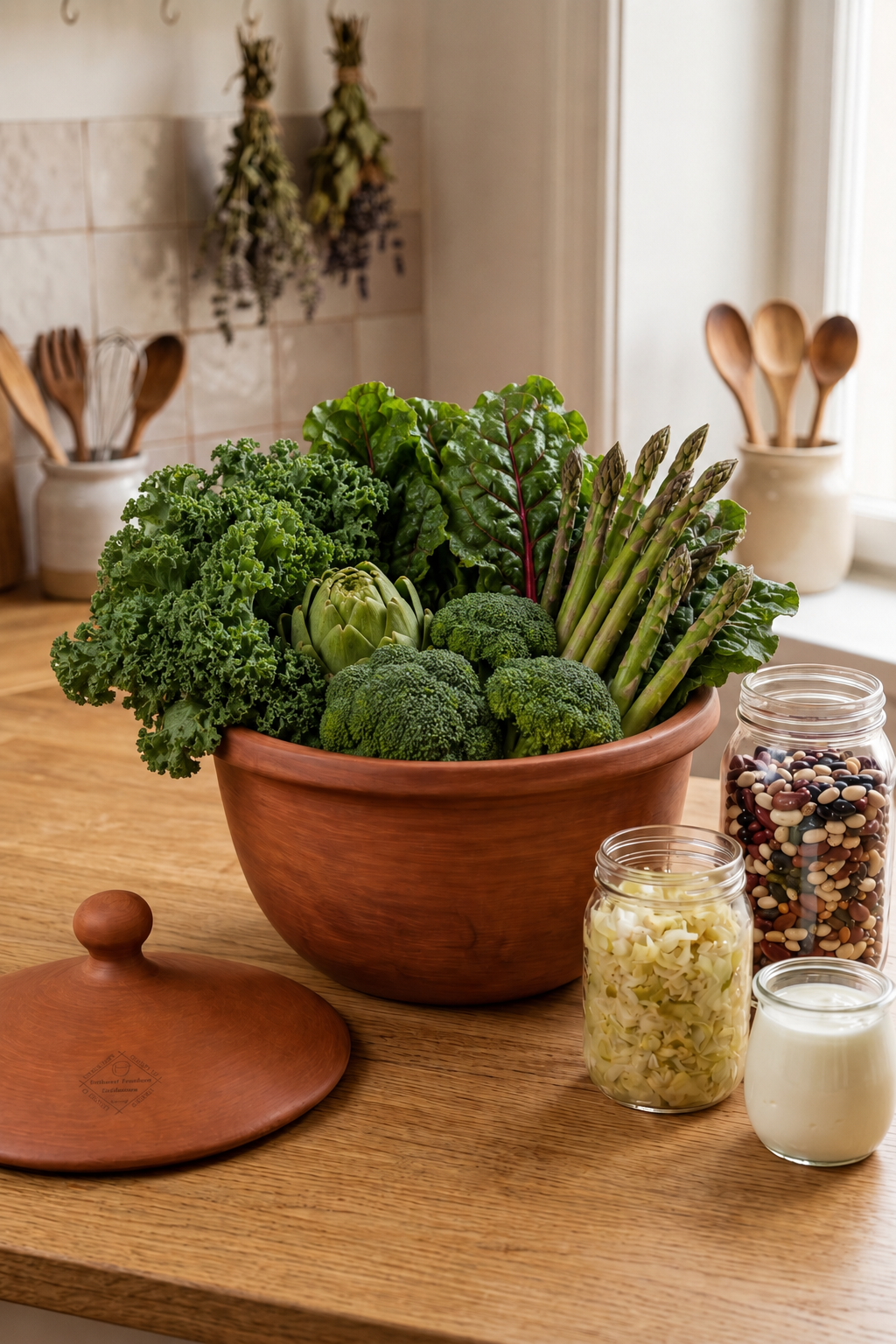
The answer depends on three things, the heat applied, the water used, and the cookware the vegetables are cooked in. Most cooking guides cover the first two. Almost none of them cover the third. And yet the material your vegetables cook in plays a direct role in how much of their vitamin content, phytonutrients, and antioxidants make it to your plate intact. High heat destroys heat-sensitive vitamins. Excess water leaches water-soluble nutrients out of the vegetable and into liquid that gets poured down the drain. And reactive or coated cookware surfaces introduce variables into the cooking environment that no one accounts for when they are standing at the stove trying to make a healthy dinner. This week we are covering the most nutrient-dense vegetables worth prioritizing, exactly how to cook each one to retain maximum nutrition, and why pure unglazed clay cookware produces a consistently more nutrient-preserving cooking environment than any metal pan or coated pot on the market.

Read More

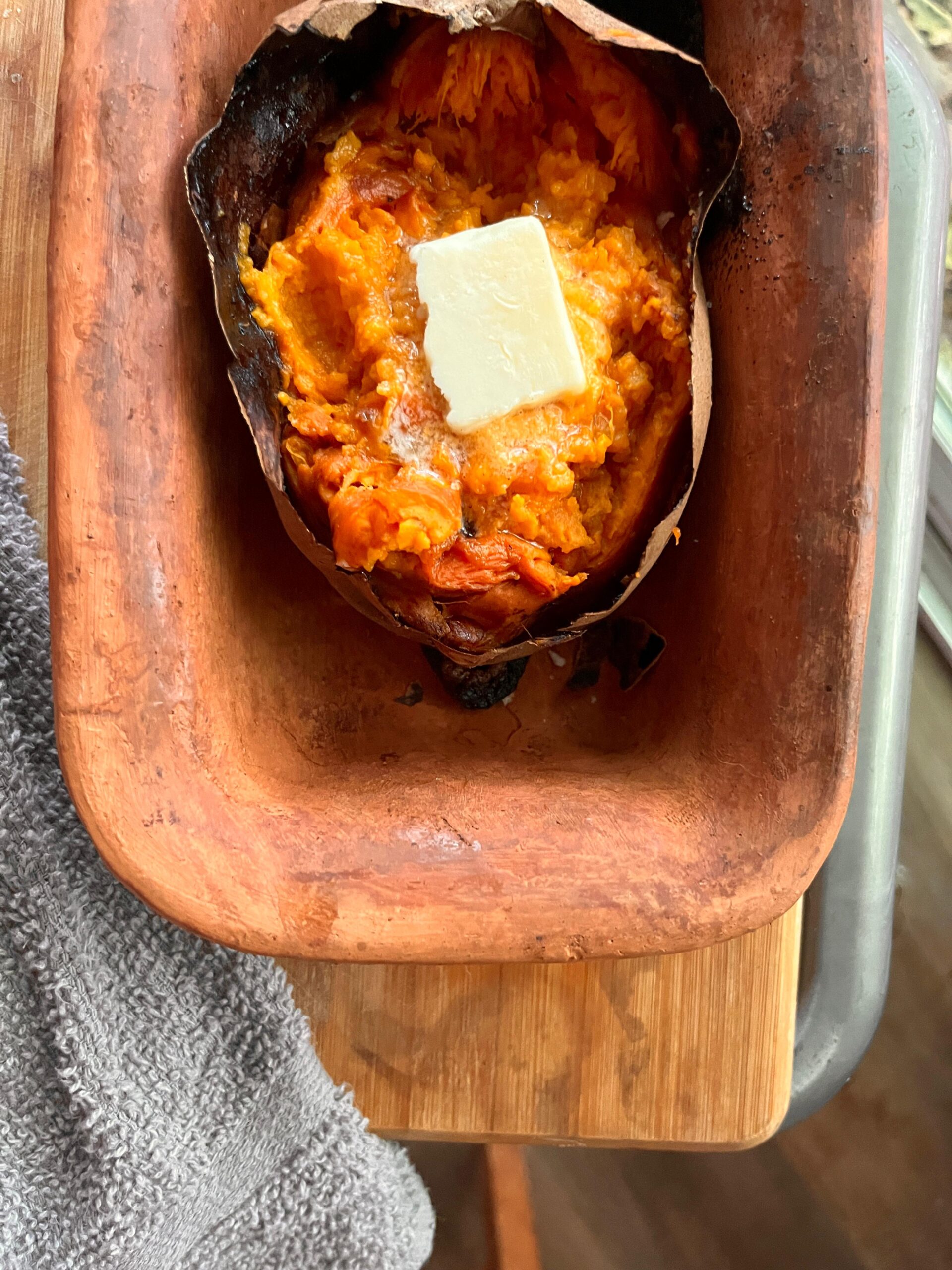
How to Cook Sweet Potatoes (Roasting, Steaming, Soups & Salads) Using Non-Toxic Clay Cookware

How to Cook Sweet Potatoes (Roasting, Steaming, Soups & Salads) Using Non-Toxic Clay Cookware

Sweet potatoes are one of the most versatile and nutrient-dense vegetables you can bring into your kitchen, and most people are only scratching the surface of what they can do with them. Whether you prefer them roasted until caramelized and crispy, steamed to a silky tenderness, blended into a warming coconut soup, or tossed into a meal-prep salad that holds up all week, sweet potatoes have a place in nearly every kind of meal. But here is something most cooking guides leave out: the cookware you use changes the result more than almost any other variable. How heat is delivered, how moisture is retained, and what materials come into contact with your food all affect the final texture, flavor, and nutritional value of everything on your plate.

This week we are covering every major method for how to cook sweet potatoes. From roasting and steaming to soups and salads with full recipes for each, and explaining exactly why Miriam’s pure clay cookware produces results that metal and coated pans simply cannot match.

Read More

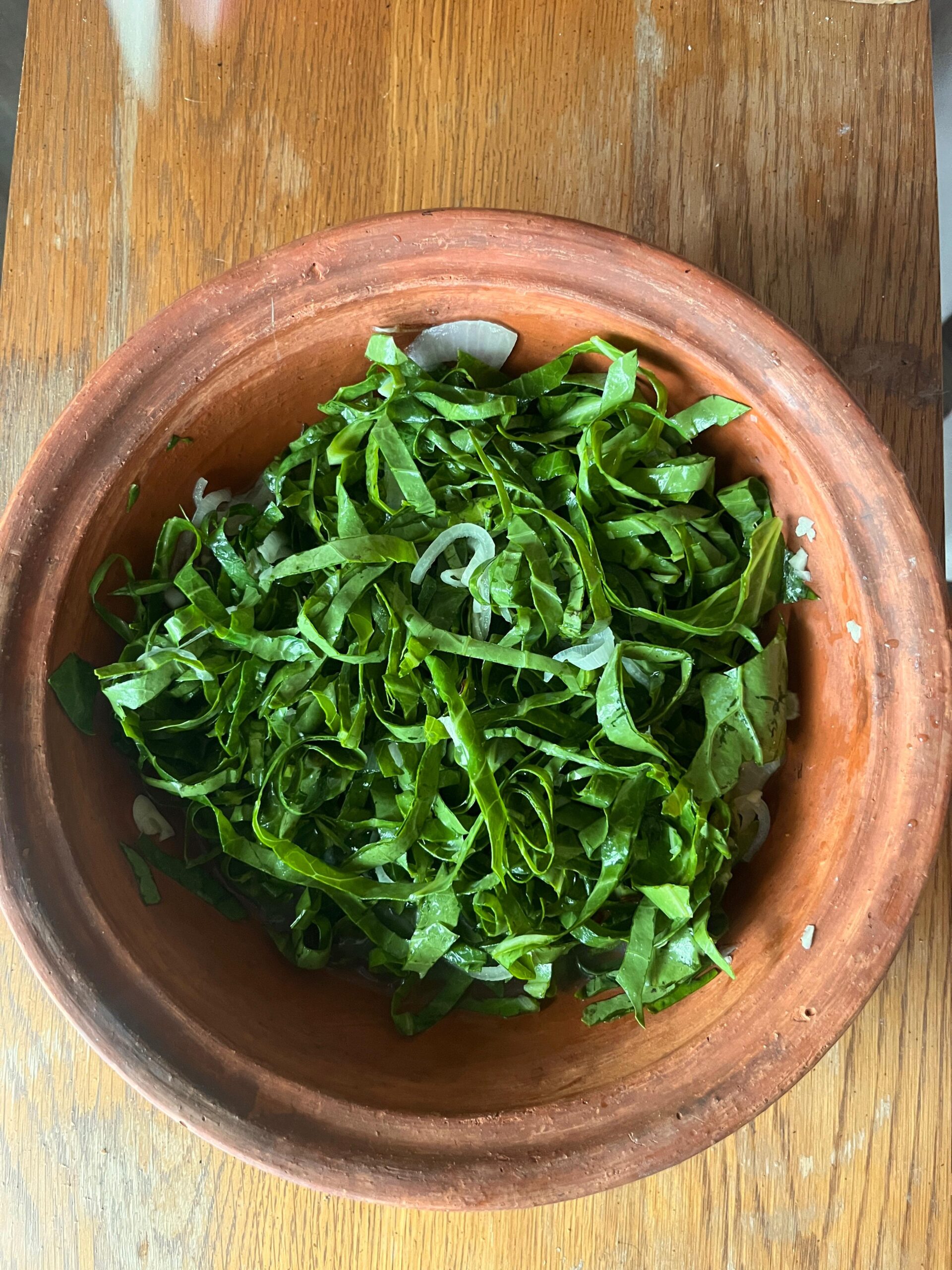
Collard Greens Recipes That Are Tender, Flavorful, and Better in a Clay Pot

Collard Greens Recipes That Are Tender, Flavorful, and Better in a Clay Pot

Collard greens have a reputation that does not always do them justice. Too often they come out bitter, tough, or flat, and most of the time the recipe gets the blame when the real culprit is the pot they were cooked in. High heat from metal cookware concentrates bitterness, drives off moisture, and pushes through the greens before they have had a chance to properly break down. The result is a dish that never quite lives up to what it should be.
Inside this post you will find a full step-by-step recipe, tips for cleaning and prepping your greens, variations for both traditional southern style and fully plant-based cooking, and everything you need to know about why clay makes all the difference.

Read More

The Clay Pot Water Filter Has Been Getting This Right for Thousands of Years

The Clay Pot Water Filter Has Been Getting This Right for Thousands of Years

Most people think about water quality in terms of what comes out of the tap. They invest in filter pitchers, reverse osmosis systems, or cases of bottled water, and never stop to question whether there is a simpler, older, and frankly more effective answer sitting right in front of them.
Clay water filtration is not a trend. It is not a wellness fad or a modern invention dressed up in natural packaging. It is one of the oldest and most consistently used methods of water purification in human history, practiced across cultures on every continent for thousands of years, and the science behind why it works is more compelling than most people realize…

Read More

Non-Toxic Living Is One of the Most Powerful Paths to a Longer, Healthier Life (and It Starts in Your Kitchen!)

Non-Toxic Living Is One of the Most Powerful Paths to a Longer, Healthier Life  (and It Starts in Your Kitchen!)

Most people working toward a healthier lifestyle focus on what they eat, how they move, and what they put on their bodies. Rarely does anyone stop to think about what they cook with, and yet cookware is one of the most consistent, daily sources of toxic exposure in the modern home.
The connection between non-toxic living and longevity is not complicated. It comes down to reducing the small, repeated exposures that accumulate quietly over years and decades. And the kitchen, where heat meets food multiple times every single day, is where that reduction can make the biggest difference.

In this post we’re breaking down how cookware materials affect what ends up in your food, what truly non-toxic cookware looks like beyond the marketing buzzwords, and why pure clay has been the gold standard for clean cooking for thousands of years, long before “non-toxic” was ever a selling point.

Read More

The Secret to Crispy Healthy Pizza Is a Clay Griddle

The Secret to Crispy Healthy Pizza Is a Clay Griddle

Most home cooks assume a pizza stone is the gold standard for homemade pizza, but pizza stones are typically made from cordierite, ceramic, or composite materials, and many are coated or sealed with substances that are never disclosed on the label. Miriam’s clay griddles are made from 100% primary, all-natural clay sourced in the USA. No glazes, no synthetic coatings, no additives, no heavy metals. What touches your pizza dough is nothing but pure, unaltered earth.

Inside, we’re covering exactly why clay produces such an exceptional crust, how to get the most out of your griddle, and three healthy pizza recipes you can make tonight.

Read More

12 Traditional and Healthy Ways to Cook Eggs in Miriam’s Earthen Cookware

12 Traditional and Healthy Ways to Cook Eggs in Miriam’s Earthen Cookware

Discover 12 traditional and healthy ways to cook eggs in pure clay cookware. From scrambled and fried to shakshuka and frittata, clay pot egg recipes that are non-toxic, nutrient-rich, and delicious

Read More

What’s Really in Commercial Baby Food, and Why More Parents Are Making Their Own in Miriam’s Earthen Cookware

What’s Really in Commercial Baby Food, and Why More Parents Are Making Their Own in Miriam’s Earthen Cookware

Nearly 60% of store-bought baby foods fail WHO nutrition standards. Here’s what the research says, and why homemade baby food cooked in pure clay is the safest first bite you can give.

Read More

Cookware & Bakeware Buying Guide: How to Choose the Right Sets for Your Kitchen

Cookware & Bakeware Buying Guide: How to Choose the Right Sets for Your Kitchen

Choosing cookware and bakeware for your home shouldn’t feel overwhelming, yet for many people, it does! With dozens of shapes, sizes, materials, and “must-have” recommendations circulating online, it’s difficult to know what you actually need for your kitchen. The truth is, most households don’t need massive sets of mismatched pots and pans. What they do need are a few thoughtfully selected pieces that fit their lifestyle, their family size, and their cooking habits.

This guide breaks that down…

Read More