
The Nightshade Guide: Cooking to Enhance Nutrients and Eliminate Toxins

Throughout history, diverse cultures have enjoyed the flavors and health benefits of nightshade vegetables but recently, concerns surrounding their potential adverse effects have risen. The culprit? Possibly the modern methods and cookware we use. Understanding the history of these vegetables, their benefits, and the right ways to cook them can help us unlock their full potential.
What are Nightshade Foods?
Nightshades belong to the diverse family of vegetables known scientifically as Solanaceae. Some of the most commonly recognized members of this family include tomatoes, bell peppers, eggplants, and potatoes. Historically, these vegetables have occupied a central role in numerous culinary traditions, prized not only for their delectable flavors but also for the vivacity they bring to dishes. Their longstanding presence in many diets speaks volumes about their importance.
Beyond their delightful tastes, nightshades are veritable powerhouses of nutrition. Take tomatoes, for instance, which are brimming with vitamin C and potassium. Meanwhile, eggplants come packed with dietary fiber, folate, potassium, vitamins B and K.
The Nightshade Debate: Healthful for Most, Harmful for Some?
While nightshades are nutrient-dense and provide numerous health benefits, they also contain alkaloids that, in surplus, can be detrimental. One of the main compounds in nightshade vegetables that is thought to be responsible for negative effects is lectins. Lectins are proteins that can bind to carbohydrates in the digestive system. This can interfere with digestion and lead to a variety of symptoms, including bloating, gas, diarrhea, and abdominal pain. Solanine, another compound found in potatoes and tomatoes can cause digestive distress and may exacerbate inflammation. Those with autoimmune disorders might experience heightened immune responses, as certain alkaloids can act as triggers. These alkaloids and compounds, while beneficial for the plant by deterring pests, can, in significant doses, disrupt cellular functions in some people.
How Can This Be Reversed?
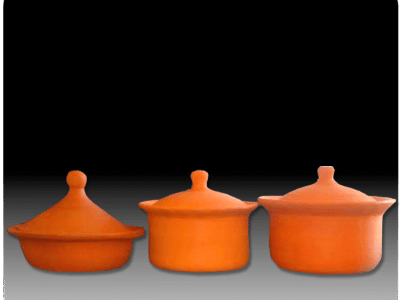
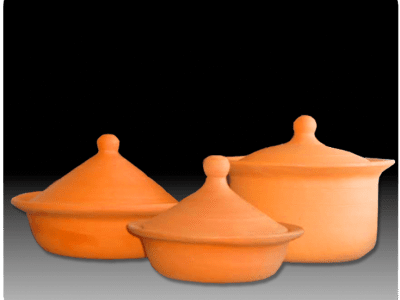
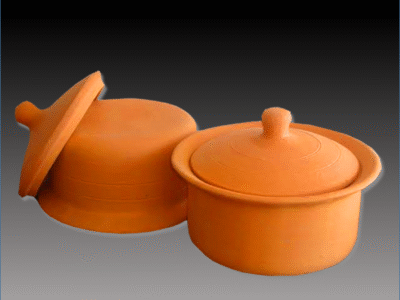
The journey to unlocking the benefits of nightshades takes us on a historical detour. Throughout history, many societies favored natural, unglazed clay pots for cooking, which stands in contrast to our sharply metal cookware dominating today’s kitchens. Unlike the aggressive heat and potential toxins from modern metallic cookware, Miriam’s Earthen Cookware keeps nightshades nutritious.. The porous nature of unglazed clay cookware allows food to breathe during the cooking process. This means that moisture and heat circulate effectively within the pot, allowing nightshades to cook in their natural juices. As a result, dishes maintain optimal hydration levels, retaining all of their water-soluble nutrients.
Furthermore, all Miriam’s pots use gentle near-infrared heating the same type of warmth that the Earth absorbs from the sun’s rays, promoting a gentle and deep cooking process. This radiant heat is also key to breaking down the lectins in nightshades, aiding in digestion and the absorption of their nutrients. Simultaneously, the absence of reactive metal ions means that the integrity of the nightshades is preserved, without altering their complex flavors or nutritional profile.
It’s these age-old techniques that may be the answer to enjoying nightshades without the associated issues. Plus, the absence of metal means fewer unwanted substances in your food. This approach is holistic, focusing on both health and the overall culinary experience. A return to traditions could be the bridge between health and taste. Taking all of this into consideration, it’s easy to see why so many are turning back to time-honored cooking methods. If you’re keen to experience the health and culinary benefits of nightshades without the drawbacks, Miriam’s Earthen Cookware could be your gateway.
The Connection Between Cookware and Safer Nightshade Consumption
Modern metal cookware, though sleek, brings potential hazards. Many of them unknowingly introduce harmful substances such as cadmium, lead, and arsenic. The metal ions interact with foods, particularly nightshades and could potentially create further health and digestibility issues.
Clay, a naturally occurring material found on the earth’s surface, offers a comprehensive cooking experience enriched by its inherent composition of essential nutrients like calcium, magnesium, phosphorous, and potassium. These elements, bound in a distinctive bond that only nature can produce, align perfectly with the nutrients our body demands for regular functions.
Miriams Earthen Cookware utilizes this pure clay without any additions or subtractions, preserving its nutritional richness and elasticity. Through rigorous testing, Miriam’s ensures that their cookware remains 100% free from metals and toxins, resulting in not only a safeguard against harmful residues but also an enhancement in the taste of food.
One perhaps “undesirable” way to test nightshade digestibility is to look back at the digestive waste after eating nightshades. People who typically have an issue with properly digesting them, see the skin being sent out, undigested which indicates a strain on the digestive process and organs..
When cooked in Miriam’s on the other hand, the digestion is complete – there is no skin in sight!
The verdict is clear: our choice of cookware can shape our culinary journey and health in profound ways. And Miriams Earthen Cookware stands as a testament to this truth.


3 Comments
Miriam Kattumuri said:
A great substitute for tomato-based sauces is “nomato sauce” it’s nightshade-free and still flavorful. Just blend together cooked carrots, beets, onions, garlic, a splash of lemon juice or apple cider vinegar, and your favorite herbs (like basil or oregano). It’s surprisingly close in taste and works great for pasta, stews, or any dish that calls for tomato sauce.
Joan Goldman said:
What is a substitute for recipes that require tomatoes in sauces? I cannot eat foods that are nightshades, white potatoes included.
Miranda Dale said:
Fascinating, I will try cooking peppers or potatoes this way. I had given up eating them due to the common issue with arthritis symptoms and nightshades.
Write a Comment