
Forget Canned Beans, Here’s How to Cook Them Right for your Health & Ultimate Deliciousness!
If you’ve ever opened a can of beans, dumped it into a saucepan, and thought, “Well, I guess this works,” you’re not alone. Most of us grew up thinking canned beans were the only way to get protein on the table fast. But here’s the truth: canned beans are bland, mushy, and nowhere near as digestible as their freshly cooked counterparts.
The good news? Cooking beans the right way, in pure clay, is simpler, faster, and far more flavorful than you think.Whether you’re preparing a humble pot of lentils, a spicy chickpea curry, or hearty summer baked beans, the secret is in the pot even more than it is in the seasoning!

Why Beans Taste Better in Clay
At Miriam’s Earthen Cookware, we use primary clay, pure, unglazed, and rich in nutrients. It’s the only cookware of its kind available on the market today. Unlike metal pots, which can leach toxins and block oxygen flow, our pots gently heat food from all sides, preserving its original texture and nutrition while also oxiginating the food throughout the cooking process.
When you cook beans and legumes in Miriam’s clay pots, you get:
-
Beans that are soft yet structured — never mushy or broken
-
Deep, rich flavor even without heavy seasoning
-
Easier digestion without added enzymes or soaking
-
Nutrient retention (especially minerals like zinc, magnesium, and iron)
-
Zero metal interaction, which often causes bitterness and bloating.
- Complete breaking down of antinutrients like lectins and phytic acid for easy and complete assimilation.
Skip the Soak (Yes, Really!)
Many home cooks believe they have to soak beans for 8 to 24 hours before cooking to reduce gas, phytic acid, and cooking time. But here’s something most people don’t know: when beans are cooked in Miriam’s Earthen Cookware, the soaking step becomes unnecessary.
The natural far-infrared heat and breathable walls of our pots do the work of soaking and cooking simultaneously. The result? Beans that are just as soft and digestible, without the planning ahead.
Of course, if you prefer to soak for personal reasons, you can. But we’ve heard from many of our customers who’ve made the switch and say goodbye to bean bloat… even with unsoaked beans.
Summer Time Baked Beans

Canned baked beans have had their day but our fresh, homemade version of “Bush’s Baked Beans” is packed with real flavor and none of the added syrups or gums.
A perfect balance of sweet, smoky, and savory… with beans that melt in your mouth.
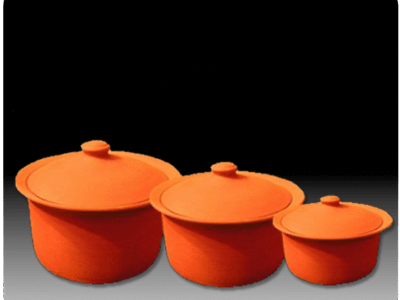
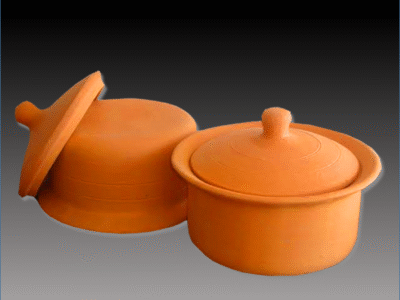
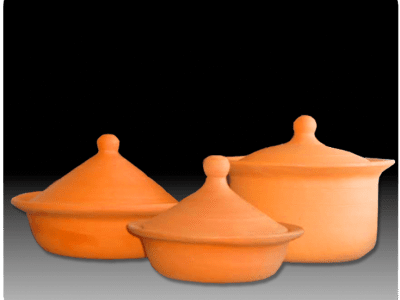
Which Pot Should You Use?
➡️ For large batches or baked beans for a crowd
Miriam’s cookware is 100% handcrafted in the USA from pure, primary clay. Never glazed, never treated with chemicals, and each small batch is tested for heavy metals. Every pot is made by hand, shaped with intention, and designed to last for years.
If you’ve never tried beans in our clay, you’re in for a revelation.
More Than a Meal
Let’s talk digestion. Many people avoid beans entirely because of how they “feel afterward.” But did you know that metal cookware may be to blame? the metal and other toxic ions (from the coating) interact with the natural oils and acids in legumes, resulting in harder textures, off-flavors, and bloating.
Primary clay, on the other hand, supports the digestive process by gently oxygenating and mineralizing your food as it cooks, something no metal or ceramic-coated pot can claim. The result? A lighter, cleaner-feeling meal that doesn’t weigh you down.
Final Thoughts
Beans and legumes are the cornerstones of ancestral, plant-based, and budget-friendly diets and with the right pot, they become the stars of the table. Whether you’re meal-prepping chickpeas or making a cozy bowl of lentil soup, your cookware matters.
So, ditch the can opener and discover what beans are really supposed to taste like. You don’t need fancy techniques or pre-soaking, you just need the right vessel.
👉 Browse our handcrafted clay pots today
👉 Read the full recipe for Summer Time Baked Beans


0 Comments
Write a Comment