
Eco-Friendly Cookware 101: Building a Safer, Greener Kitchen from the Ground Up
More people than ever are rethinking their kitchens, not just what they cook, but what they cook it in, where it comes from, and what it leaves behind. As awareness grows around both personal health and environmental impact, eco-friendly cookware has moved from a niche interest to a genuine priority for families who want a safer, greener home.
But “eco-friendly” and “non-toxic” get used loosely, and not all cookware that claims to be sustainable actually is. This guide breaks down what eco-friendly cookware really means, which materials are the safest and most sustainable, how to choose well, and how to build a greener kitchen from the ground up, one thoughtful choice at a time.
What Is Eco-Friendly Cookware and Why Does It Matter?
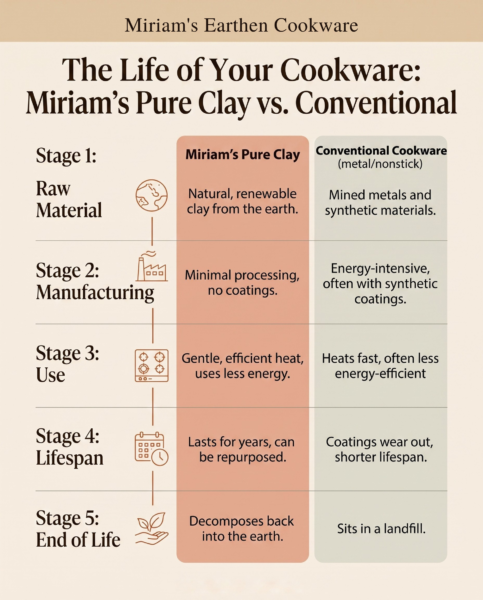
Eco-friendly cookware is cookware designed to minimize harm, both to your health and to the planet, across its entire life, from how it’s made to how it’s used to what happens when it’s finally done. Truly sustainable cookware is made from natural, responsibly sourced materials, avoids toxic coatings and chemicals, uses energy efficiently, and doesn’t leave a lasting burden on the environment. It sits right at the intersection of cookware safety, sustainable cooking, and healthy living.
How Cookware Affects Your Health and the Environment
Cookware isn’t a passive tool. The material your pot or pan is made from comes into direct, sustained contact with your food, often under heat and moisture, exactly the conditions that can cause reactive materials to leach into what you eat, whether the food is acidic or alkaline. This is why regulators treat cookware as a category of food-contact materials and evaluate substances that can migrate from them into food. Non-stick coatings can shed particles and release fumes, reactive metals can migrate into food, and glazes can contain toxic heavy metals like lead, cadmium, and arsenic, which are used to create bright colors, deep glosses, or special melting properties. Choosing safe cookware materials is one of the simplest ways to support a healthier home.
The environmental footprint is just as real. Most conventional cookware is made from mined metals or synthetic materials that require energy-intensive, often polluting manufacturing, then travels across oceans to reach your kitchen, and eventually ends up in a landfill where it may never break down. This is why, choosing healthy cookware and choosing sustainable cookware turn out to be, in most cases, the very same choice: the materials that are gentlest on your body tend to be the gentlest on the earth, too!
The Difference Between Eco-Friendly and Conventional Cookware
Conventional cookware is generally built for cost and speed of production: aluminum, coated non-stick, and mass-manufactured materials that are cheap to make and quick to heat, but reactive, coated, or chemically processed. Its environmental story is rarely considered, mining and manufacturing emissions on the front end, synthetic coatings in the middle, and a non-biodegradable pile-up at the end.
Our eco-friendly cookware flips that priority. It’s made from natural, renewable, or minimally processed materials, free of synthetic coatings, produced with lower energy and emissions, and designed to last, and ultimately to return to the earth rather than sit in a landfill. The difference isn’t just what the cookware is; it’s the entire lifecycle behind it.
Key Features of Sustainable Cookware Materials
Genuinely sustainable, non-toxic cookware materials tend to share a handful of traits. They’re made from natural or renewable resources rather than mined or synthetic ones. They contain no toxic coatings, glazes, or additives, making them true chemical-free cookware. They’re durable enough to last for years, reducing waste. They’re efficient to cook with, using and retaining heat well. And at the end of their long life, they can be repurposed or safely returned to the earth. The closer a material comes to checking all of those boxes, the greener, and usually the healthier and safer, it is.
 Safest Cookware Materials for a Healthier Kitchen
When it comes to choosing the safest cookware materials, it helps to look honestly at the most common options, what they’re made of, how they interact with food, and how they stack up for both health and sustainability. This is really where you find the best cookware for health.
Earthen Cookware: A Natural Choice for Conscious Cooking
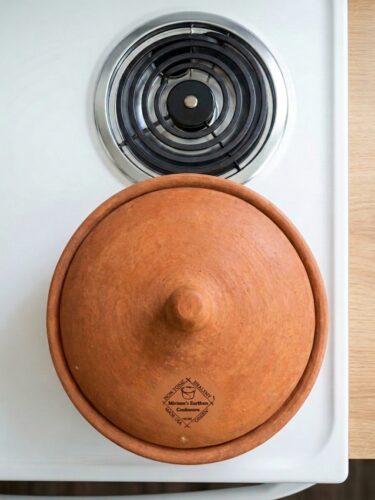
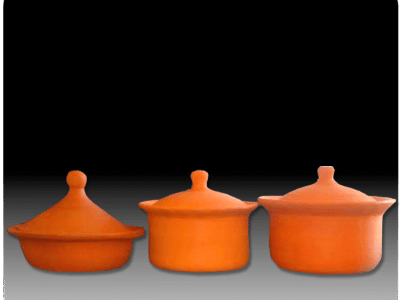
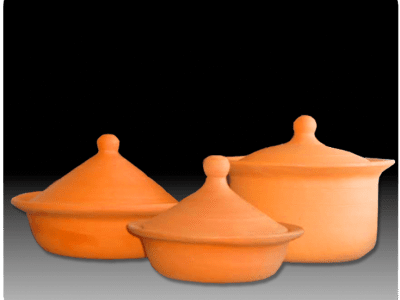
Earthen cookware, cookware made from natural clay, is one of the oldest and most naturally sustainable ways to cook, and it’s exactly why it’s earning new attention today. Pure clay is a natural, renewable material formed from the earth itself. When it’s left unglazed and finished by hand burnishing without any toxic glaze, it stays completely inert while it cooks, adding nothing to your food: no coatings, no reactive metals, no synthetic compounds.
That said, not all earthenware is created equal, and the distinction matters. Cheaper, mass-produced clay cookware, often imported and made with unknown clay or coated in questionable glazes, doesn’t offer the same purity or performance as thoughtfully made, tested clay cookware like Miriam’s Earthen Cookware. The natural benefits of clay only truly hold when the clay itself is pure, responsibly sourced, and free of additives, so where and how your earthen cookware is made is just as important as the fact that it’s clay at all.
That natural inertness is what makes genuine earthen cookware such a strong choice for conscious, eco-conscious cooking. There’s no coating to scratch or degrade, no glaze chemistry to question, and nothing manufactured standing between the natural material and your meal. It cooks with gentle, even heat, retains warmth beautifully, and holds moisture in a way that keeps food tender and flavorful, all from a single, natural material. As a piece of natural cookware, it’s about as close to the source as cooking gets.
Compared to Stainless Steel, Cast Iron, Ceramic, Glass
Each common cookware material has its own profile, and understanding the trade-offs makes the eco-friendly, non-toxic case for earthen cookware clearer.
Stainless steel is durable and widely used, but it’s an alloy, and it can leach trace metals like nickel and chromium into food, particularly with prolonged heat and with both acidic and alkaline dishes. Producing it also relies on dangerous mining practices that leave the land completely barren and incapable of supporting life. Additionally, these processes require high amounts of non renewable sources of energy.
Cast iron is prized for durability and heat retention, and it’s more natural than coated cookware, but it’s reactive with both acidic and basic foods, transfers iron into food during cooking, and the released ferrous form of iron from the cookware can generate destructive chemical reactions and cellular damage, contributing to free radical generation, mitochondrial injury, and tissue damage.
Ceramic and ceramic-coated cookware vary enormously in quality. Many “ceramic” pans are actually metal with a synthetic ceramic-style coating that can wear over time, and traditional glazed ceramics can, in lower-quality or imported cases, contain lead or cadmium in the glaze. The FDA has specific guidance on lead-glazed traditional pottery for exactly this reason. The composition of a glaze is something you’re ultimately trusting rather than seeing.
Glass is inert and non-reactive, which is a genuine strength. As everyday cookware, though, it conducts and retains heat poorly and unevenly, making it less efficient to cook with, and it’s prone to thermal shock and breakage. It’s also energy-intensive to manufacture and, while recyclable, doesn’t return to the earth the way a natural material does.
Miriam’s Earthen cookware, by contrast, is a single natural material that stays inert with both acidic and alkaline foods, free of coatings and reactive metals, and gentle and efficient in the way it cooks, which is what makes it stand out in an honest side-by-side comparison for both health and sustainability.
How to Choose Eco-Friendly Cookware for Your Home
Once you understand the materials, choosing eco-friendly cookware comes down to knowing what to look for, and what to ask, before you buy. These simple guidelines make choosing sustainable cookware and other sustainable kitchen products far easier.
What to Look for When Buying Sustainable Cookware
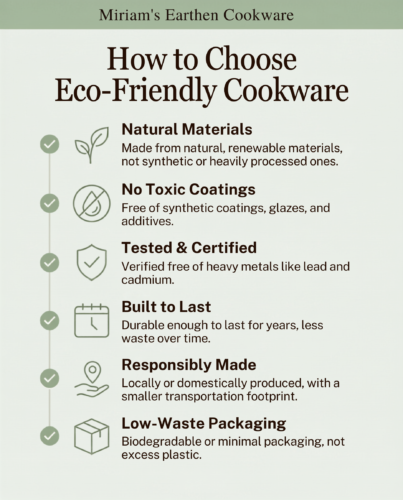
Look for cookware made from natural, renewable materials rather than synthetic or heavily processed ones. Prioritize pieces with no toxic coatings, glazes, or additives, and look for transparent testing and certification (for example, verified free of lead and cadmium, the kind of contaminants the FDA Food Code sets limits on for food-contact surfaces). Favor cookware that’s durable enough to last for years, since longevity is one of the most overlooked green features, a pot you never have to replace is a pot that never becomes waste. Durable, natural pieces like these are the real healthy kitchen essentials.
Consider where and how it’s made, too. Locally or domestically produced cookware carries a far smaller transportation footprint than pieces shipped across the world, and sourcing and production concentrated in one region means fewer emissions from start to finish. Even the packaging matters: biodegradable or minimal packaging reflects a genuine commitment to sustainability rather than a marketing label.
Questions to Ask Before Purchasing New Cookware
Before buying, a few honest questions cut through the marketing. What exactly is this made of, and is the full material disclosed? Is there a coating or glaze, and if so, what’s in it? Has it been tested and certified free of heavy metals like lead and cadmium? Where is it made, and how far does it travel to reach me? How long will it realistically last, and what happens to it at the end of its life, does it decompose, or does it sit in a landfill? Cookware that answers all of those questions confidently is almost always both the safer and the greener choice.
Why Earthen Cookware Is Making a Comeback in Modern Kitchens
For thousands of years, people around the world cooked in clay. Today, as families look for cookware that’s both healthier and more sustainable, earthen cookware is returning to modern kitchens, this time with the added appeal of thoughtful craftsmanship and proven purity.
The Tradition, Craftsmanship & Benefits of cooking with Earthen Cookware
Cooking in clay is a tradition that spans virtually every culture, from Indian and Middle Eastern kitchens to Latin American and Mediterranean cooking. That endurance isn’t nostalgia; it’s because clay genuinely cooks beautifully. Its gentle, even heat and excellent heat retention cook food thoroughly at lower temperatures, while its natural ability to hold moisture keeps grains fluffy, beans tender, and stews rich and deeply flavored.
There’s a nutritional dimension, too. Gentle, moisture-rich cooking helps preserve the heat-sensitive vitamins and minerals that harsh, direct heat can degrade, and a tight-fitting lid that retains steam keeps water-soluble nutrients in the pot rather than letting them escape and evaporate away. In an era of “hidden hunger,” where diets can be full of calories yet short on the micronutrients the body actually needs, cooking methods that help retain more of a food’s nutrition are quietly valuable.
What Makes Miriam’s Earthen Cookware Different
Not all clay cookware is created equal, and this is an important distinction. When people hear that “clay is good,” it’s tempting to reach for the cheapest clay pot available, but material alone isn’t the whole story, in fact, the FDA has found that even pottery labeled “lead free” can still contain extractable lead when manufacturing isn’t carefully controlled, which is exactly why testing matters more than labels. Miriam’s Earthen Cookware is handcrafted in the USA from 100% primary clay, fully finished by hand burnishing without any toxic glaze, and independently tested and certified free of lead and cadmium. There are no coatings, no additives, and no imported supply chain to wonder about, just pure, natural clay.
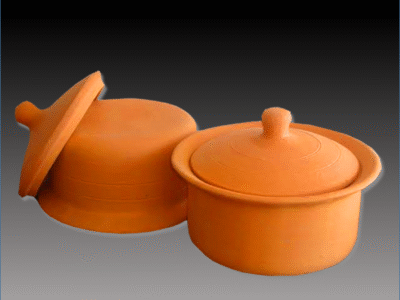
Beyond the material, Miriam’s is set apart by specific design features that generic clay pots simply don’t have. The lids are engineered to retain steam, with an inner surface that condenses moisture back into the food rather than venting it away, and a distinctive coil-pressed knob. The interior is shaped with downward spirals that help direct heat toward the food and keep steam circulating inside rather than escaping randomly. These are intentional, functional details, the result of harnessing clay’s natural properties through thoughtful craftsmanship, and they’re a big part of what makes Miriam’s stand out from cheaper, mass-produced clay cookware.
That craftsmanship also carries a genuine environmental story. Because Miriam’s is made in the USA from domestically sourced clay, with sourcing and production concentrated in one region, biodegradable packaging, and carbon-neutral shipping, its footprint is dramatically smaller than cookware mined, manufactured, and shipped across the world. And because pure clay lasts for years and ultimately decomposes back into the earth, it never becomes the kind of permanent waste that metal and synthetic cookware leave behind.
Recipes and Meals Perfect for Earthen Cookware
Earthen cookware truly shines with slow-cooked, moisture-rich meals. Soups and stews turn out rich and deeply flavored. Beans, lentils, and pulses cook up especially tender. Rice and whole grains come out fluffy and evenly cooked. Braised vegetables, curries, and one-pot meals develop the kind of depth that gentle, even clay heat is famous for. It’s equally at home with everyday staples and slow weekend cooking, wherever wholesome, natural ingredients deserve to be treated gently.
Building a Greener Kitchen from the Ground Up
Eco-friendly cookware is a powerful starting point, but a truly sustainable kitchen is built through a series of small, intentional habits, the kind of whole-lifecycle thinking that considers not just what you buy, but how long it lasts and what happens to it afterward. Here’s how to extend that greener mindset across your whole kitchen, from the cookware you choose to the way you cook and store food every day, turning an ordinary space into a genuine green living kitchen.
Reducing Waste with Long-Lasting Kitchen Essentials
One of the simplest ways to reduce kitchen waste is to buy things that last. Disposable and low-quality items create a constant cycle of replacement and waste, while durable, well-made essentials, cookware, utensils, and storage you only buy once, quietly shrink your footprint over time. Investing in long-lasting pieces like pure clay cookware, which can serve you for years and even be repurposed for food storage, fermenting, or other uses when the time comes, is sustainability in its most practical form.
Smart Storage and Meal Planning for Less Food Waste
Food waste is one of the biggest hidden sources of household environmental impact, more than a third of the food produced in the U.S. is never eaten, and food sent to landfills generates methane. Thoughtful storage keeps ingredients fresher longer, and simple meal planning, shopping with a plan, cooking what you’ll actually eat, and using leftovers intentionally and safely, cuts down dramatically on what ends up in the trash. Natural, breathable materials can help here too, and building the habit of planning meals around what you already have is one of the highest-impact green changes any kitchen can make.
Energy-Efficient Cooking Tips for Everyday Use
How you cook matters as much as what you cook with. Cookware that retains heat well, like pure clay, lets you cook more efficiently: because it holds warmth so effectively, you can often turn the heat down, or even turn the burner off well before the end of cooking, and let the retained heat finish the meal. Beyond your cookware, cooking practices like matching pot size to burner size, keeping lids on to trap heat, and batch-cooking to make the most of a hot oven or stovetop all reduce energy use, a smart habit for anyone relying on healthy cooking equipment day to day. Small, consistent habits like these add up to a meaningfully greener kitchen over time.
Building a Safer, Greener Kitchen, One Choice at a Time
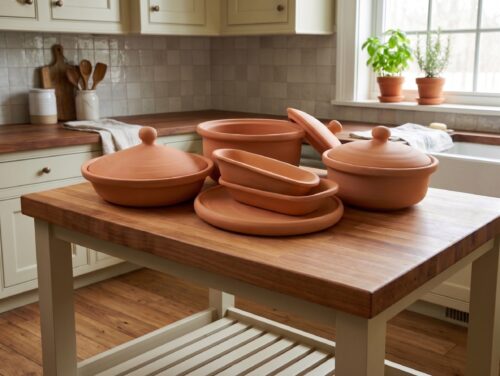
A truly eco-friendly kitchen isn’t built overnight, and it doesn’t require throwing everything out and starting over. It’s built through thoughtful, intentional choices, choosing natural materials over synthetic ones, durable pieces over disposable ones, and cookware that’s as kind to the planet as it is to your family’s health.
Eco-friendly cookware is one of the most meaningful places to start, because it touches your food every single day and shapes your kitchen’s footprint from sourcing all the way to end of life. Pure, natural earthen cookware brings those priorities together beautifully: a single renewable material, free of coatings and toxins, gentle and efficient to cook with, made to last for years, and able to return to the earth when its long life is done. Handcrafted with care and built to last, it’s a simple, time-honored way to cook cleaner, live greener, and care for the people around your table, one wholesome meal at a time.
Frequently Asked Questions About Eco-Friendly and Earthen Cookware
What is the safest cookware for everyday cooking?
The safest cookware for everyday use is made from a natural, inert material that doesn’t leach anything into your food. Pure, unglazed earthen (clay) cookware is one of the safest choices available, it’s completely inert, free of coatings and reactive metals, and when tested and certified free of lead and cadmium, there’s simply nothing to migrate into your meals. It’s always worth choosing food-contact materials appropriate for their use and avoiding damaged coatings or questionable glazes, but for a naturally safe material with nothing added, pure clay is hard to beat.
Is earthen cookware better than nonstick cookware?
For both health and sustainability, earthen cookware has clear advantages over conventional nonstick. Many nonstick pans rely on synthetic PTFE coatings, and while the FDA has authorized certain PFAS-containing materials for specific food-contact uses, these coatings can degrade when scratched or overheated, eventually wear out, and become waste, and the EPA notes that PFAS are persistent in the environment. Pure clay has no coating at all, becomes naturally non-stick with use, is completely inert, and lasts far longer, making it both a cleaner and a greener choice.
What makes cookware eco-friendly?
Cookware is eco-friendly when it minimizes harm across its entire lifecycle: made from natural, renewable materials, free of toxic coatings and chemicals, produced and shipped with a low carbon footprint, durable enough to avoid frequent replacement, and able to be repurposed or safely returned to the earth at the end of its life. The EPA’s sustainable materials framework emphasizes reducing material intensity, keeping products from becoming waste, and increasing reuse, and the more of these a piece of cookware satisfies, the more genuinely sustainable it is.
How long does earthen cookware last?
With proper care, quality pure clay cookware can last for many years, and often improves with use as it seasons and becomes more naturally non-stick. Its longevity is part of what makes it so sustainable: a pot you use for years and can later repurpose is a pot that never becomes landfill waste. And because pure clay is a natural material, it can ultimately decompose back into the earth rather than sitting in a landfill indefinitely.
Is ceramic or earthen cookware healthier?
It depends heavily on the specific product, but pure earthen cookware has an important edge. Many “ceramic” pans are metal with a synthetic ceramic-style coating that can wear over time, and traditional glazed ceramics can, in lower-quality or imported cases, contain lead or cadmium in the glaze. Pure, unglazed clay has no glaze or coating to question at all, it’s a single natural material, which is why it’s often considered one of the cleanest, most transparent options available.
How can I build a sustainable kitchen on a budget?
Building a sustainable kitchen on a budget is about intentional choices over time, not replacing everything at once. Start by reducing food waste through smart storage and meal planning (which also saves money), cook more efficiently with what you already own, and cut down on disposable and single-use items. When you do invest in new cookware, choose durable, long-lasting, natural pieces rather than cheap items you’ll replace repeatedly, buying well once is often more economical, and more sustainable, than buying cheap again and again.


0 Comments
Write a Comment