
Fermentation at Home: A Complete Guide to Fermenting Foods Naturally
We would like to dedicate this article to Linda Millman of New Hampshire, USA. Over the years, your support, curiosity, and encouraging words have meant more to us than you may realize. The confidence and energy you have given our work are truly priceless. Thank you for believing in what we do and for being such a valued supporter. Thank you Linda!
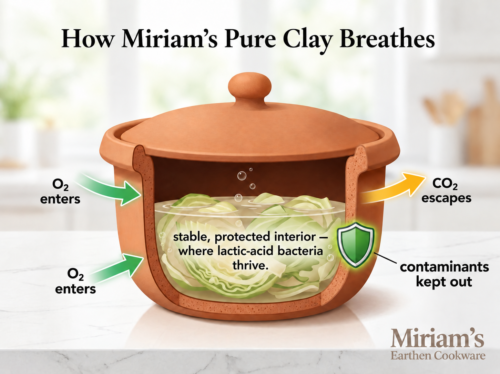
Fermentation at home is one of the oldest and simplest ways to make food more flavorful, more digestible, and longer-lasting — no special equipment required, just the right vessel and a little patience. And the vessel matters more than most people realize: research on traditional korean clay pots found that the pot’s porous walls let it “exhale” carbon dioxide and “inhale” oxygen, keeping internal conditions in the range that beneficial lactic acid bacteria prefer. Cultures worldwide learned long ago that clay was the natural home for fermented food. But not all clay is created equal and as you’ll see, the purity of the pot makes all the difference.
What Is Fermentation and Why Has It Been Used for Centuries?
The Science Behind Natural Fermentation
Fermentation is transformation by microbes: beneficial bacteria and yeasts feed on the sugars and starches in food and convert them into acids, gases, and life sustaining metabolites. Those acids lower the food’s pH, which naturally preserves it crowding out spoilage organisms without refrigeration or synthetic preservatives. It’s nature’s original food-storage system.
Fermentation is nature’s original food-storage system.
Why Clay Pots Are the Time-honored Choice for Fermenting Foods
How Clay Creates an Ideal Fermentation Environment
Pure clay’s thick, natural walls buffer temperature swings, holding the ferment in a steadier range than thin glass or metal. Miriam’s hand-burnished, porous walls also balance moisture and gas exchange, releasing carbon dioxide as it builds while keeping the stable, protected interior fermentation needs.
Benefits of Fermenting in Clay Compared to Glass, Plastic and Metal
The breathability is the blessing sealed vessels can’t match: glass and plastic trap gas, and reactive metal can interact with the acids fermentation produces. Pure clay, on the other hand, is inert or non-reactive, stays neutral, develops flavor evenly, and stores your food without leaching anything into it. But here’s the catch worth knowing: Not all clay cookware is equal.
Cheaper or imported pieces are often glazed, and lower quality. Imported glazes can contain lead or cadmium, and frequently aren’t independently tested at all. That’s why the standard behind the pot matters as much as the material. Miriam’s Earthen Cookware is made from 100% primary clay with no glaze at all, hand-finished, made in the USA, and independently tested and certified free of lead and cadmium, so what surrounds your ferment is pure clay and nothing else.
Health Benefits of Naturally Fermented Foods
How Fermented Foods Support Gut Health and Digestion
Fermented foods deliver live cultures and beneficial compounds that supports a healthier gut microbiome (the community of microbes closely tied to digestion and overall wellbeing.) Their acids and enzymes can also make meals easier on the digestive system.
The Nutritional Advantages of Traditional Fermentation
Fermentation also increases the availability of important vitamins and minerals, and it breaks down some of the naturally occurring anti-nutrients like phytic acid that otherwise block mineral absorption. Research published in Frontiers in Nutrition demonstrates that sourdough and probiotic fermentations activate phytase to significantly reduce phytic acid, multiplying the bioaccessibility of zinc, iron, and calcium several-fold. A study available on ScienceDirect shows that colonic fermentation byproducts completely override the inhibitory effects of phytic acid, improving the absorption of calcium by 46% and magnesium by 50%
How to Ferment Foods at Home Using Earthenware
Fermenting at home is far simpler than it looks, and Miriam’s earthenware makes it even more forgiving. Once you understand a few basics, choosing what to ferment, preparing your ingredients, and giving the process time, you’ll find that Miriam’s pure clay does much of the work for you. Here’s what to know to get started, from the foods best suited to clay to the simple steps that turn them into something tangy, living, and good for you.
Best Foods to Ferment in Clay Pots
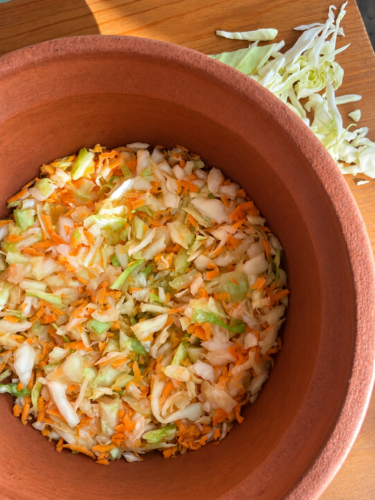
Sauerkraut. Perhaps the simplest place to start, sauerkraut is just cabbage and salt, left to ferment into something tangy, crisp, and full of beneficial cultures. You finely shred the cabbage, massage in sea salt until it releases its own brine, then pack it into your clay pot and let it ferment for several days. You may add shredded carrot in a 1:4 carrot-to-cabbage ratio to add some color. Clay’s breathable walls make it a natural fit, releasing the carbon dioxide and making ample oxygen avilable while keeping the ferment uncontaminated from the pot.
Ambali. A traditional South Indian dish made by fermenting finger millet (ragi) and then cooking it into a nourishing, lightly tangy porridge. It’s enjoying a real resurgence, with cooking classes teaching it and many recommending clay pots for the ferment. To make it, rinse whole finger millets well and combine it with water in your clay pot to form a batter, then cover and let it ferment overnight until pleasantly sour. The next day, cook the mixture gently over low heat, stirring, until it thickens into a smooth porridge, and season it savory with buttermilk, salt, and a tempering of mustard seeds and curry leaves, or lightly sweet if you prefer. Clay’s gentle, even heat suits the slow cooking ambali calls for, and its breathable walls create the steady environment the overnight ferment needs!
Kimchi. Korea’s beloved fermented cabbage, spiced with chili, garlic, ginger, and scallion. Napa cabbage is salted, rinsed, and tossed with the seasoning paste, then packed into a clay pot to ferment. This is the very dish behind the research on traditional Korean onggi, where the porous clay walls “exhale” carbon dioxide and “inhale” oxygen at just the levels beneficial bacteria favor, which is exactly why clay and kimchi have gone hand in hand for centuries.
Step-by-Step Guide to Fermenting Naturally in Clay
Season your Miriam’s pot before its first ferment. Add your prepared ingredients, mix in sea salt thoroughly, then cover the pot with its lid and set aside in a cool, out-of-the-way spot and let it work. If fermenting ingredients that require some pressure, then place the lid upside down so it presses gently against the food. Most foods ferment in less than half the time they take in other vessels, plastic, metal, or glass. So, in a day or two taste and move it to cold storage once it’s ready.
Which Pots Can You Use for Fermenting?
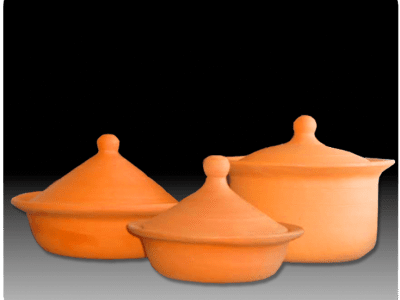
You can ferment in any of your Miriam’s pure clay pots, the same ones you cook with work perfectly. But if you’d like pots dedicated just to fermenting, there’s a budget-friendly option: the Gardening Line offers the same 100% pure, food-safe clay at a big discount. These pieces have some superficial defects so they are not reccomended for cooking, but they’re perfect for fermentation and food storage. It’s a simple, affordable way to keep a few dedicated ferment pots on hand. This discounted line for fermentation can be found on our Discount Line page.
Shop the Fermenting Line, Big Savings →
Why Ferment in Miriam’s Earthen Cookware?
The Unique Benefits of Miriam’s Handmade Earthenware for Fermentation
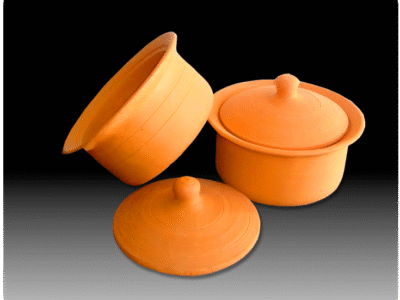
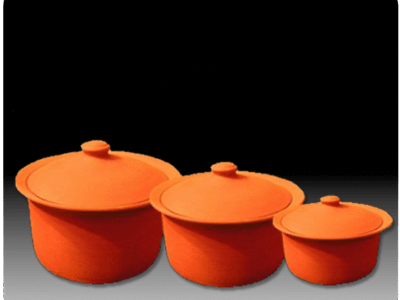
Miriam’s Earthen Cookware is made from 100% primary clay, sourced and crafted in the USA and fully finished by hand burnishing without any toxic glaze, no coatings, no additives, and independently tested and certified free of lead and cadmium. Unlike cheap clay imports, which may be glazed or never tested at all, every piece is pure, food-safe clay with signature design touches, the coil-pressed knob, downward interior spirals, porous walls are exactly what you want surrounding a living ferment. The faster fermetation time is a BIG added bonus!
Achieving Better Flavor and Authentic Results with Miriam’s Earthen Cookware
The wide-mouth design and breathable walls create the steady, traditional conditions that bring out fuller, more authentic flavor, the same qualities that made clay the original fermentation vessel. So while any clay pot nods to that heritage, only pure, tested, hand-finished clay like Miriam’s delivers it without the risk of glazes or additives. For a naturally non-toxic, sustainable alternative to glass, plastic and metal, it remains one of the safest fermenting pot, and cookware choices you can bring into your kitchen.


0 Comments
Write a Comment