
Looking for the Safest Cookware? Here’s What You Need to Know
When it comes to making healthy choices in the kitchen, most of us start with what’s on our plate: organic vegetables, pasture-raised meats, fresh grains. But have you ever stopped to think about what you cook all of that in?
In a world filled with shiny, modern cookware promising “non-stick magic” and “professional performance,” it’s easy to overlook an important truth: the safety of your cookware matters just as much as the quality of your food.
So let’s explore a common question we hear often, and one that might be on your mind this season:
What is the safest cookware?
The answer depends on what you don’t want in your cookware. Here are some of the biggest red flags in common pots and pans:
1. Metal leaching
Many popular cookware materials, like aluminum, copper, and even stainless steel, can leach trace metals into your food, especially when exposed to high heat or both acidic and alkaline dishes. Over time, repeated exposure contribute to a buildup of heavy metals in the body, potentially affecting everything from brain health to digestion and skin erruptions. While often considered “safe” in moderation, the long-term risks of cooking every day in reactive metals are worth paying attention to.
2. Non-stick coatings
Non-stick cookware might make cleanup easier, but that convenience often comes at a cost. Traditional non-stick pans (especially older ones) are made with synthetic chemicals like PTFE and PFOA compounds linked to hormone disruption, developmental issues, and even cancer. These coatings can degrade with use, flake into food, and release harmful fumes when overheated. Even so-called “green” non-stick alternatives are not always fully transparent about what they’re made from.
3. Glazes and additives
Ceramic and enamel cookware may sometimes be made to look natural, but they contain dangerous oxides, glazes and colorants that just like metals are reactive with food, with heat which is a catalyst. Additionally, these finishes can wear down, chip, or crack, exposing hidden materials underneath or allowing chemicals to seep into your meals. If the cookware isn’t fully transparent about what’s in its finish (and many aren’t), it’s hard to know what you’re really cooking with.
So what’s left?
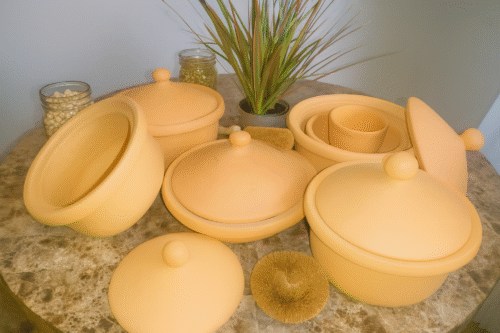
Here at Miriam’s Earthen Cookware, we believe the safest cookware is the one that never takes away from your food, and could actually give something back.
Our pots and pans are:
- Made from 100% primary clay (tested and certified)
- Unglazed and completely non-toxic
- Hand-thrown in the USA with no chemicals, coatings, or fillers
- Inert and non-reactive, even with acidic and alkaline foods
That means your food cooks gently, retains more nutrients, and tastes exactly how it’s supposed to. It also means peace of mind, knowing that the pot you’re using isn’t adding anything harmful to your meals.
Why now is the best time to switch
This time of year, our kitchens are working overtime. Whether you’re hosting a crowd or just preparing cozy meals for your family, the cookware you use gets more exposure, and more importance.
And while we’re on the topic of cookware… let’s just say something new is coming to the MEC collection next week.
It’s warm, it’s beautifully designed, and it’s made for those who cherish the art of homemade meals. We won’t say more just yet, but if you’ve ever wished for a way to bake something tall, golden, and deeply nourishing in pure clay… your moment is almost here.
Until then…
If you’ve been wondering what the safest cookware really is, now you know. It’s not the newest tech or the trendiest brand. It’s the cookware that respects your body, your health, your food and the earth it came from.
And if you’re ready to make the switch, there’s never been a better time.
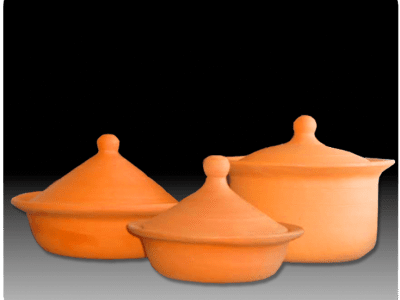
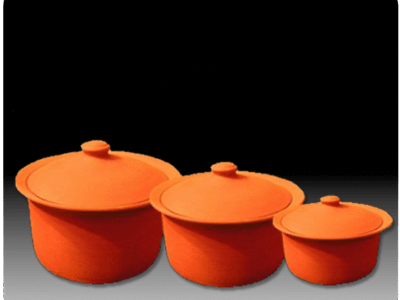
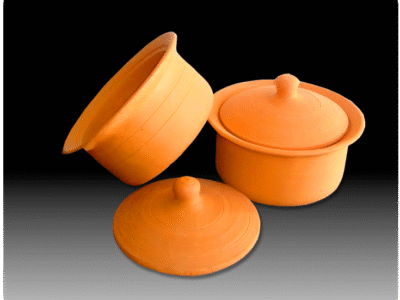
Explore our collection of non-toxic clay cookware and start cooking the way nature intended.


0 Comments
Write a Comment