
Connecting to Our Roots Through Cookware Made in the USA
Biblical Cooking: Meals, Vessels, and Meaning
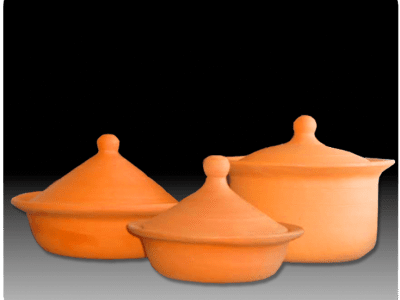
When you picture meals from the Bible, you may think of lentils, barley, figs, grapes, unleavened bread, or roasted lamb. But consider this: what were these foods cooked in? The vessels were simple yet profound, clay pots formed from the earth itself.
Scripture mentions clay vessels over 50 times, often as symbols of humility, purity, and divine purpose. Jeremiah speaks of God as the potter shaping the clay. Elijah was sustained by food stored in a clay jar that miraculously never ran empty. Clay vessels were not just functional; they were sacred tools for daily life.
Why clay? Because it is natural, abundant, and safe. Pure, primary clay is also naturally antibacterial so food cooked in MEC pots stays fresh longer. Unlike today’s synthetic, metal, or chemical-based cookware, clay doesn’t leach toxins or compromise nourishment. In fact, it preserves the integrity of the food, something modern science now confirms and something Miriam’s continues to honor with its USA-made cookware.
Lessons from the Bible for Today’s Kitchen
The Bible highlights both plants and animals as God’s provision for nourishment:
Genesis 1:29— God first provides fruits and plants for food, underscoring the value of fresh, natural produce.
Genesis 9:3 — After the flood, God expands the diet, saying: “Everything that lives and moves about will be food for you. Just as I gave you the green plants, I now give you everything.”
Exodus 12:8— At the first Passover, God commands His people to eat “the meat roasted over the fire, along with bitter herbs, and bread made without yeast.”
When you cook in handmade clay pots, you honor this balance. Whether simmering a lentil stew or slow-cooking lamb, clay cookware keeps food whole, flavorful, and true to its God-given design.
What’s in Your Kitchen?
Pause for a moment and open your kitchen cabinets. Are your pots made of aluminum, non-stick chemicals, or glazed ceramics? Would any of those have existed 2,000 years ago? And beyond that, are they produced with the same care and standards as cookware made in the USA? If your cookware cannot stand the test of time, history, health, or craftsmanship, it may be working against your intention to cook nourishing meals.
Miriam’s Mission
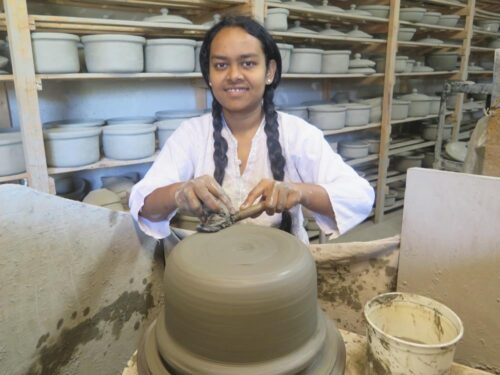
Miriam set out to revive something ancient yet revolutionary: cooking as our ancestors did, but in a way suited for today. With 100% primary clay, free from metals, toxins, and glazes, Miriam’s cookware carries forward a biblical principle, keeping what is sacred pure. And with all production done in the USA, every pot represents not just health and heritage, but also American craftsmanship and self-reliance.
Her vision is not just about selling cookware; it is about restoring health, heritage, and meaning to the kitchen table, while supporting ethical, local, and sustainable work right here at home.
Behind the Scenes: Crafting Our Cookware
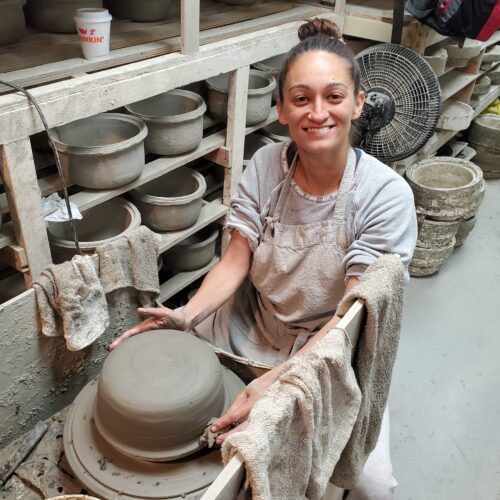
At MEC, every pot goes through a journey that begins with the earth itself. Our clay is carefully sourced, then prepared with water and patience before ever meeting the potter’s wheel. Unlike mass-produced cookware, each step of the process is slow, deliberate, and human. This hands-on method not only preserves the purity of the clay but also ensures that no two pots are exactly alike. Each is a work of art meant to nourish families for generations.
From shaping on the wheel, to smoothing by hand, to air drying on wooden shelves, and finally to being fired in the kiln, every pot carries the marks of craftsmanship. This is what makes our cookware so unique: it’s not just about utility, but about integrity, tradition, and care woven into each vessel.
Every pot begins as pure, raw clay shaped by hand. No machines, no shortcuts, just time, skill, and care.
Our artisans craft each vessel slowly and intentionally, keeping alive an ancient tradition of pottery-making in a modern American studio. Each pot is touched dozens of times before it reaches your kitchen, a true labor of love that blends biblical tradition with American ingenuity. When you hold a Miriam’s pot, you’re not just holding cookware. You’re holding a story, a legacy, and a commitment to health and heritage.


2 Comments
Claire Wholley said:
Soups and stews taste noticeably better when cooked in my earthenware pots.
Also, my earthenware water Jar is providing sweet fresh cool water – much appreciated.
Jackie Himelick said:
I love this cookware! I read the info throughly before I purchased it. It does all that is written about it. Some I doubted but it proved out. I love the taste of the food cooked in this clay. I would definitely purchase again.
Write a Comment