
Best Foods for Gut Health: How to Cook Gut-Friendly Meals Naturally Without Losing Nutrients
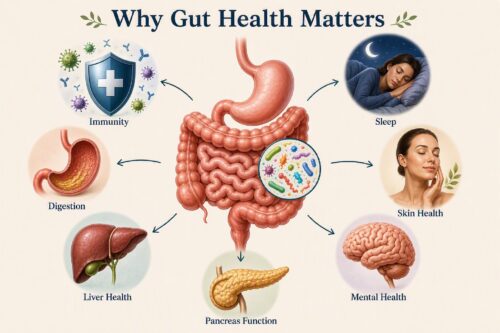
The best foods for gut health are simpler and more familiar than most people expect. Fiber-rich vegetables, whole grains, beans, fermented foods, and a handful of everyday pantry staples do the majority of the work. What often gets overlooked is the second half of the equation: how those gut health foods are prepared, and what they are cooked in. Aggressive heat and reactive cooking surfaces can undo a great deal of the nourishment you carefully shopped for.
This guide covers the best foods for gut health to add to your plate, the fermented and prebiotic foods that feed your microbiome, gut-friendly meals you can cook naturally, and the gentle cooking methods that help those nutrients survive the journey from pot to plate.
Why Gut Health Starts With the Food You Eat
Your digestive system is not a passive tube. It is a living, working ecosystem that responds daily to what you feed it, which is why a healthy gut diet is one of the most direct levers you have over how you feel.
What Is the Gut Microbiome?
The gut microbiome is the vast community of bacteria, fungi, and other microorganisms living primarily in your large intestine. These microbes help break down fiber your body cannot digest on its own, produce certain vitamins and short-chain fatty acids, and help maintain the lining of the gut wall. A diverse, well-fed microbiome is generally considered a marker of good digestive health, and the food you eat is the single biggest daily influence on it.

How Diet Affects Digestion, Immunity, Skin Health, and Even Mental Wellbeing
Because a large share of immune tissue sits along the digestive tract, gut health and immune function are closely linked. Research continues to explore connections between the gut and other systems as well, including skin health and the gut-brain axis, the two-way communication network between the digestive system and the brain. Across all of these areas, the same practical pattern holds: a varied diet built around whole, fiber-rich, and fermented foods supports a diverse microbiome.
One study in particular has drawn growing scientific attention. A 2023 review published in the journal Nutrients by Xiong and colleagues examined the role of gut microbiota in anxiety, depression, and other mental disorders, and looked specifically at the protective effects that various dietary components may offer.
Best Foods for Gut Health to Add to Your Diet
If you are building a healthy gut diet from scratch, start here. These are the foundational gut-friendly foods that belong in a weekly rotation.
High-Fiber Vegetables and Fruits
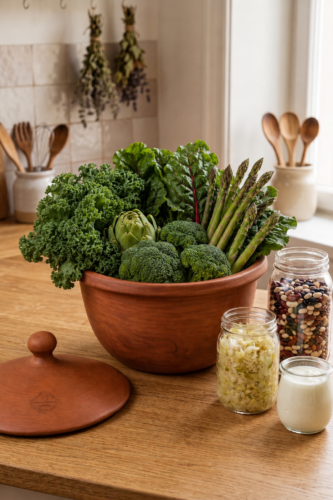
Fiber is nature’s broomstick that keeps things moving efficiently, While also being the excellent sponge that soaks up all the bad stuff, and the garbage truck hauling the waste away, but here’s the thing: most people simply do not get enough of it. Leafy greens, broccoli, carrots, artichokes, asparagus, berries, pears, and apples all deliver fiber alongside vitamins and antioxidants. Variety matters as much as quantity: different plants feed different microbial species, so a colorful plate does more for your gut than a large serving of any single vegetable.
Whole Grains, Beans, and Lentils
Herbs, Spices, Nuts, and Seeds
These small additions carry real weight. Ginger, turmeric, fennel, cumin, and peppermint have long traditions of use in digestive cooking, and many culinary herbs and spices contain polyphenols that support microbial diversity. Nuts and seeds, particularly flaxseed, chia, almonds, and walnuts, add fiber and healthy fats that help slow digestion and keep things moving comfortably.

Fermented Foods for a Healthy Gut
Fermented foods introduce live cultures directly into your digestive system, making them some of the most valuable probiotic foods you can eat.
Yogurt, Kefir, and Cultured Dairy
Yogurt and kefir are the most accessible entry points to probiotic foods. Look for products with live active cultures and minimal added sugar, or better still, make your own yogurt and kefir at home, where you control both the ingredients and the culture. Homemade yogurt cultured in pure clay is especially creamy, because clay’s naturally porous walls receive oxygen, remove carbondioxide, two core essentials for a growing colony of good and powerful bacteria.
Sauerkraut, Kimchi, and Pickled Vegetables
Naturally fermented vegetables deliver fiber and live cultures in the same bite. Sauerkraut and kimchi are simple to make at home, and unglazed clay has been scientifially proven as the best vessle for making fermented foods, becuase the pot’s walls allow carbon dioxide to escape while keeping conditions favorable for lactic acid bacteria.
Miso, Tempeh, and Traditional Fermented Foods
Miso, tempeh, natto, and traditional fermented sauces bring depth of flavor along with their cultures. Miso is best stirred into soups off the heat, since high temperatures can diminish its live cultures. Tempeh is a firm, protein-rich option that takes well to gentle cooking and rounds out a gut-friendly meal beautifully.
If you’re making your own fermented foods, the vessel you use is part of the process. Unglazed clay has been used for fermentation across cultures for thousands of years, and for good reason: its naturally porous walls allow carbon dioxide to escape while maintaining the steady, gentle environment that lactic acid bacteria need to thrive. Because Miriam’s Earthen Cookware is made from 100% primary clay, fully finished by hand burnishing without any toxic glaze, there are no coatings or glaze compounds to interfere with your cultures, just pure, breathable clay working the way it has for generations. Whether you’re culturing yogurt, fermenting vegetables, or making kefir, a pure clay vessel gives you the best environment for the healthiest bacterial colonies.
Prebiotic Foods That Feed Good Gut Bacteria
If probiotics are the beneficial bacteria, prebiotic foods are what those bacteria eat. Both belong in a healthy gut diet.
Garlic, Onions, and Leeks
The allium family is one of the richest everyday sources of prebiotic fiber, particularly inulin. Garlic, onions, leeks, shallots, and chives form the flavor base of countless meals, which makes them one of the easiest prebiotic additions to make consistently. Cooking them gently, softening rather than browning hard, helps preserve more of their beneficial compounds.
Bananas, Apples, and Oats
Slightly underripe bananas are notably high in resistant starch, a form of fiber that passes to the colon intact and feeds beneficial bacteria. Apples contribute pectin, a soluble fiber associated with digestive comfort, and oats provide beta-glucan, another well-studied prebiotic fiber. Together, these three make some of the simplest gut healing foods to build breakfasts around.
Resistant Starch Foods Like Potatoes and Rice
Here is a small trick worth knowing: cooking potatoes or rice and then cooling them increases their resistant starch content, meaning more fiber reaching your gut bacteria. Cooked-and-cooled potato salads, rice bowls, and grain salads are genuinely more gut-friendly than the same foods served piping hot, and they suit warm-weather eating perfectly.
Gut-Friendly Meals You Can Cook Naturally
Knowing the foods is one thing. Getting them onto the table on an ordinary weekday is another. These combinations keep it simple.
Simple Breakfast Ideas for Gut Health
Start with oats cooked gently with sliced banana and a spoonful of ground flaxseed, or plain yogurt topped with berries, nuts, and a drizzle of honey. Both deliver prebiotic fiber and live cultures in one bowl, and both come together in minutes. Cooking porridge slowly, with plenty of moisture and low heat, keeps the grains tender and easy on the stomach.
Nourishing Lunch and Dinner Combinations
Build around a whole grain, a legume, and a generous portion of vegetables: a lentil and vegetable stew, a brown rice bowl with roasted vegetables and a fermented vegetable topping, or a simple bean soup with greens stirred in at the end. One-pot meals are especially well suited to gut-friendly cooking, since everything simmers gently together and nothing is subjected to harsh, high-heat searing.
Easy Snacks That Support Digestion
A handful of nuts, an apple with nut butter, plain yogurt with seeds, hummus with raw vegetables, or a small bowl of olives and fermented vegetables all deliver fiber or cultures without much effort. Keeping two or three of these prepped means the gut-friendly option is also the convenient one.
How Cooking Methods Affect Gut Health Foods
This is the part most gut health articles skip. It has been scientifically proven that you can shop perfectly and still lose a meaningful share of the nutrition on the stovetop.
Why Gentle Cooking Helps Preserve Nutrients
Many of the compounds that make gut health foods valuable are heat-sensitive. Folate and other B vitamins are water-soluble and degrade with prolonged high heat, vitamin C diminishes quickly, and delicate fats can oxidize. Cooking at lower effective temperatures, with moisture and without aggressive searing, preserves considerably more of what you are cooking for. Pure clay is particularly good at this, because it radiates gentle far-infrared heat evenly from all directions, cooking food thoroughly without the intense, aggressive and nutrient killing metal pot heat.
Avoiding Overcooking Fiber-Rich Foods
Fiber itself is fairly heat-stable, but the texture and the surrounding nutrients are not. Vegetables boiled to collapse lose both their structure and a portion of their water-soluble vitamins into the cooking liquid. Aim for tender rather than mushy, keep cooking water where you can by turning it into a sauce or broth, and let gentle steam do the work rather than a hard, rolling boil.
Choosing Non-Toxic Cookware for Daily Meals
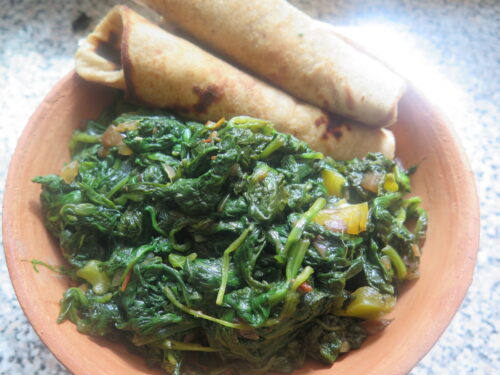
If you are eating for gut health, it is worth considering what your food touches under heat every day. Conventional non-stick coatings are made from PTFE, part of the PFAS family of synthetic compounds, and can degrade when scratched or heated. Reactive metals and glazed surfaces introduce their own questions, since glaze compounds are rarely disclosed on a label. Choosing non-toxic cooking pots that stay completely inert during cooking removes that variable entirely, which matters most for the meals you make day after day.
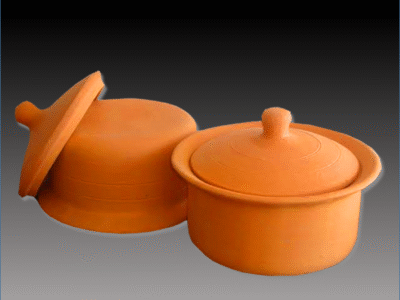
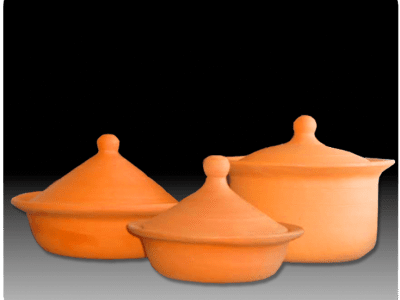
This is where Miriam’s Earthen Cookware earns its place in a gut-healthy kitchen. Every piece is handcrafted in the USA from 100% primary clay, completely inert, and certified free of lead and cadmium. Nothing leaches, nothing reacts, and nothing synthetic touches your food, which means the fiber-rich vegetables, whole grains, and fermented foods you’ve chosen for your gut arrive on the plate exactly as nourishing as you intended. For meals you cook day after day, that consistency matters more than almost any single ingredient.
Best Foods for Gut Health and Better Digestion
Beyond feeding the microbiome, certain foods are simply easier on the digestive system, especially during periods of discomfort.
Foods That May Help With Bloating
Ginger, peppermint, fennel, and papaya have long traditions of use for digestive comfort, and cooked vegetables are generally gentler than large volumes of raw ones. Individual tolerance varies widely here, so pay attention to your own patterns rather than following a universal list. If bloating is persistent or painful, that is worth discussing with a healthcare provider rather than managing with diet alone.
Foods That Support Regularity
Soluble and insoluble fiber both play a role: oats, chia seeds, flaxseed, prunes, pears, and leafy greens are reliable everyday options. Adequate water intake matters just as much, since fiber needs fluid to do its job comfortably. Increasing fiber gradually rather than all at once tends to be far easier on the system.
Foods That Are Easy on the Stomach
On days when digestion feels sensitive, simple and gently cooked wins. Well-cooked rice, oatmeal, bananas, soft-cooked vegetables, bone or vegetable broth, and plain yogurt are all mild and easy to tolerate. Cooking these with moisture and low heat keeps them soft and comforting, which is exactly what a tender stomach wants.
What to Avoid When Eating for Gut Health
Adding good foods matters more than eliminating things. Still, a few categories are worth moderating.
Highly Processed Foods
Heavily processed foods tend to be low in fiber and high in refined ingredients, which gives beneficial gut bacteria very little to work with. Some emulsifiers and additives common in ultra-processed foods are under active research for their effects on the gut lining and microbial balance. This does not require perfection, simply a diet weighted toward whole foods as much as possible
Excess Sugar and Artificial Additives
Diets consistently high in added sugar are associated with less favorable microbial balance, and certain artificial sweeteners are being studied for their effects on gut bacteria. The straightforward approach is to keep added sugars modest and let fruit, which arrives packaged with fiber, carry most of the sweetness in a healthy gut diet.
Cooking Surfaces That May Affect Food Purity
The vessel is part of the meal. Non-stick coatings shed toxic particles, aluminum is highly reactive, stainless steel alloys can leach nickel and chromium, and ceramic glazes may contain undisclosed compounds. Cookware that stays inert contributes nothing to the food, which is the entire point when you are eating deliberately for your gut.
How to Build a Gut-Healthy Grocery List
A good list makes gut-friendly cooking automatic instead of effortful.
Fresh Produce to Buy Weekly
Rotate rather than repeat: leafy greens, broccoli or cauliflower, carrots, onions and garlic, a couple of seasonal fruits, bananas, and berries. Aim for a range of colors and types across the week, since microbial diversity thrives on dietary diversity. Buying what is in season keeps this affordable and generally means better flavor too.
Pantry Staples for Gut-Friendly Cooking
Keep oats, brown rice, quinoa, dried or canned beans and lentils, olive oil, nuts, seeds, and a solid spice collection on hand. With those staples stocked, a gut-friendly meal is never more than one fresh vegetable away. Whole grains and legumes in particular reward having the right vessel, and cooking the best rice and grains comes down to gentle, even heat and enough moisture.
Fermented Foods to Make Once a Week
A weekly fermentation habit is easier than it sounds. A batch of yogurt, a jar of sauerkraut, or a small crock of pickled vegetables takes minutes of active time and supplies live cultures all week. Traditional unglazed clay vessels are well suited to this, as their porous walls let fermentation gases escape while maintaining the steady environment lactic acid bacteria need.
Natural Cooking Tips for Better Gut Health
Small, repeatable habits do more for your gut than any single superfood.
Cook With Moisture, Steam, and Lower Heat
Steaming, simmering, braising, and gentle one-pot cooking all preserve more nutrients than high-heat frying or hard roasting. Moisture keeps fiber-rich foods tender and easier to digest, and lower effective temperatures protect the heat-sensitive vitamins and fats you are cooking for. Pure clay excels here because it holds moisture beautifully and cooks evenly at gentle temperatures, so grains stay fluffy, legumes turn tender, and vegetables keep their integrity.
Pair Fiber-Rich Foods With Healthy Fats
A little healthy fat helps your body absorb fat-soluble vitamins from all those vegetables, and it makes meals more satisfying. Olive oil over greens, avocado alongside beans, or seeds scattered over a grain bowl all do the job. Adding oil later in the cooking process, rather than heating it hard from the start, keeps those fats intact.
Make Gut-Healthy Eating a Daily Habit
Consistency beats intensity. One fermented food a day, one extra vegetable at dinner, one whole grain swapped in for a refined one, repeated over months, does far more than a short, strict overhaul. Choose a handful of gut-friendly meals you genuinely enjoy, cook them gently, and let the habit build quietly from there.

Choose Pure Clay
Pure clay is uniquely suited to the gentle, moisture-rich cooking that gut-friendly foods call for. Miriam’s clay pots radiate soft, even far-infrared heat from all directions, cooking grains, beans, and vegetables thoroughly at lower effective temperatures, without the harsh hot spots of metal. This gentle environment helps preserve the heat-sensitive nutrients your microbiome depends on, while the clay’s natural ability to hold moisture keeps everything tender and easy to digest. In other words, the cookware itself becomes part of how well the meal supports your gut.
Cook Gently, Eat Well, and Let Your Gut Do the Rest
Eating for your gut is not complicated. Fill your plate with fiber-rich plants, fermented foods, and prebiotic staples, cook them with moisture and in nutrient-preserving cookware, and use cookware that adds nothing to the meal. Pure clay is made for exactly this kind of cooking: slow, even, moisture-rich, and completely inert, so the wholesome food you choose reaches the table intact.
Building a healthy gut is a daily practice, and the healthiest cookware makes it easier to do well. From simmering fiber-rich stews to culturing your own yogurt, Miriam’s Earthen Cookware gives you a pure, non-toxic foundation for every gut-friendly meal, cookware made from the earth itself, designed to protect the goodness in your food from pot to plate.


0 Comments
Write a Comment