
What’s Really in Commercial Baby Food, and Why More Parents Are Making Their Own in Miriam’s Earthen Cookware
 The moment your baby reaches for a bite of your food, something shifts. That instinct to feed your child the best possible meal runs deep, but what does “best” actually look like when you’re just getting started with solids?
A 2024 study published in the Nutrients journal examined 651 commercially produced baby and toddler foods sold in U.S. grocery stores. Nearly 60% failed to meet World Health Organization nutritional standards. That’s not a fringe finding, it’s a peer-reviewed look at what most parents are reaching for off the shelf.
Making homemade baby food puts you back in control. And doing it in pure, unglazed clay cookware means you’re not trading one set of concerns for another.
What Does the Research Actually Say About Commercial Baby Food?
Nearly 60% of 651 commercially produced baby and toddler foods failed WHO nutritional standards in a 2024 peer-reviewed study, and the breakdown is striking: 70% didn’t meet protein requirements, 44% contained excess sugar, and 20% exceeded sodium limits. These aren’t trace deficiencies, they’re systematic gaps in foods marketed as the ideal start for children.
A separate peer-reviewed study found that homemade baby food purees typically contain more protein per serving than their commercial counterparts, while commercial products tend to be higher in fortified (mostly synthetic) vitamin C, the kind added back in after processing strips it away. When you make baby food at home, you control every ingredient. No fillers, no thickeners, no added sugars hiding behind ingredient lists longer than a grocery receipt. Or like Miriam like to say it, “you retain its ‘divine synergy’ – the ingredients natural foodprint as best recognized and utilized in the growing body.”
It’s worth noting: the nutritional gap in commercial baby food isn’t just about what’s missing, it’s about what processing does to food. When fruits and vegetables are cooked at high heat, pulped, sealed, and shelf-stabilized, the nutrients that survive are largely the heat-stable ones. Water-soluble vitamins like B and C are the first to go. Cooking in clay’s gentle, far-infrared heat within a steam-locking environment keeps more of those fragile nutrients where they belong, in the food.
For a deeper look at how your cookware affects what ends up in your baby’s bowl, see our post on the healthiest cookware for baby food
Are Heavy Metals in Baby Food a Real Concern?
Yes, and the data is unambiguous. An analysis by Healthy Babies Bright Futures (HBBF) tested 288 baby foods and reviewed 7,000+ additional results: 94% of all samples, both commercial and homemade, contained detectable levels of toxic heavy metals including lead, arsenic, mercury, and cadmium. In January 2025, the FDA finalized action levels for lead in processed baby food, setting limits at 10 parts per billion (ppb) for most categories and 20 ppb for root vegetables and dry infant cereals
The key word is processed. FDA action levels apply only to packaged, commercially processed baby foods, not to the fresh puree you cook and serve at home. And critically, HBBF data shows that heavy metal contamination most often comes from the ingredients themselves. Rice, root vegetables, and some fruits absorb metals from soil. Choosing lower-risk ingredients (sweet potatoes over rice cereal, banana over apple-rice blends) reduces exposure significantly, whether you’re buying or cooking. What the HBBF research also doesn’t account for is contamination introduced by the cookware itself.
All of these factors make it undeniably beneficial for a growing child to be nourished by home‑cooked meals prepared in non‑toxic cookware. During a child’s formative years, their organs, tissues, and biological systems are still developing at a rapid pace. At this critical stage, what a child consumes—and how that food is prepared—directly influences cellular development, immune strength, and long‑term metabolic health.
These daily choices quietly shape a child’s future. Proper nourishment can lay the foundation for a lifetime of vitality, resilience, and well‑being. Conversely, repeated exposure to poor nutrition or toxic food preparation methods can contribute to chronic inflammation, recurring weakness, and long‑term health challenges. In these early years, we are not just feeding children—we are building the bodies they will live in for the rest of their lives.
Is Your Cookware Adding to the Problem?
Most parents focus on ingredient quality when making homemade baby food, but the pot itself is an often-overlooked source of contamination. A 2025 study found that PFAS (per- and polyfluoroalkyl substances) a class of over 14,000 synthetic compounds linked to cancer, hormone disruption, and reproductive harm, are introduced to food through coated cookware and food-processing equipment. A single surface crack in a Teflon-coated pan can release approximately 9,100 microplastic particles into food. For context: infants and toddlers have developing systems far more vulnerable to chemical exposure than adults. The same concentration of any contaminant matters much more per kilogram of body weight in a 7-month-old than in a 35-year-old. Metal cookware, such as stainless steel, aluminum, and cast iron, presents a different but related concern. Metal ions can leach into food at cooking temperatures and accumulate in the body over time. Glazed ceramic pots often contain metal oxides baked into the glaze itself.
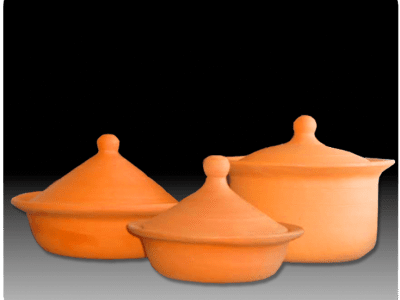
Pure, unglazed primary clay, the kind Miriam’s pots are made from, is chemically inert. It doesn’t react with food. It doesn’t leach metal ions. There’s no coating to chip or crack. It’s one of the only cookware materials that genuinely and completly inert and non-reactive. That matters everywhere you cook, but it matters most when you’re cooking for the smallest, most vulnerable person in your household.
Learn more about what separates primary clay from glazed ceramic and other “non-toxic” alternatives: Safest Cookware Material: Pure and Primary Clay
When to Start Solids, and What to Make First
The CDC and American Academy of Pediatrics recommend introducing solid foods at approximately 6 months of age, never before 4 months, and only when your baby shows clear readiness signs. Starting too early, before the digestive system is ready, can increase allergy risk and displace the breast milk or formula that should still be your baby’s primary nutrition source.
Signs your baby is ready:
– Sits up with minimal support and holds their head steadily
– Opens their mouth when food approaches
– Swallows food rather than pushing it back out with their tongue
– Shows genuine interest in what you’re eating
Once they’re ready, the best first purees are single-ingredient, low-allergen, and easy to digest. These are among the lowest heavy-metal-risk options:
4-6 months:
- Banana— No cooking needed; mash until lump-free. One of the lowest heavy-metal-risk foods in the HBBF dataset.
- Avocado — Rich in healthy fats critical for brain development; no cooking needed
- Pureed apples —
Pureed peers —
Moong bean milk – Mung bean milk resembles breast milk so closely. In nutritional composition it is an excellent. Weaning food. If the baby when you find out the baby needs a little bit more than just breast milk. At around 6 months. You can give the child. This option. Very easy to make. Steam. 4 tablespoons of moong, 1 pinch of crushed cardomom seeds (supports healthy tissue growth and meintenence) to two cups of water. Let it come to a boil. Mash Add a pinch of salt and a little bit of jaggery or brown sugar and puree into milk – it becomes very soft and slightly creamy.Around 6 to 8 months:
The baby has a few teeth growing at this stage and food can be served in semi-solid form to aid teeth growth and allignment. Avoid meats at this stage to prevent the formation of misalighed teeth (introducing meats too early causes premature tooth erruption and crowding), and to protect the developing kidneys.
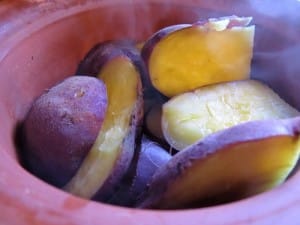
- Sweet potato — Steam or bake in your Miriam’s pot until soft; blend with a little water or breast milk
- Butternut squash — Low sugar, mild flavor, naturally smooth when pureed
- Peas — High in protein and iron; blend until completely smooth for young babies
Pureed rice: great source of various nutrieints needed for the bodies development, make sure rice is sourced well. how to make 4 tbsp of rice 1 cup of water. - Pureed oatmeal:Around 8 to 12 months:
At this stage you may introduce. A combination of foods. Rice with legumes and a vegetable. In semi solid form. Introduce some fats. From oils like ghee. And other healthy fats. meats can be introduc - Pureed legumes with rice and carrots — how ot make – add all these ingredients to pot (2 tbsp any choice of legumes, 2 tbsp parboiled rice (easy to digest), and 1/2 chopped carrots. add 2 cups of water cooked till done. let it cool, puree coarsly.
Pureed meats may be introduced at this stage or you could wait till after a year.
In your Miriam’s clay pot, fill the pot to about 1/2 inch up with water, place cut vegetables inside, cover with the lid, and cook on low-medium heat. The steam-locking lid returns moisture, and the water-soluble nutrients dissolved in that moisture, back into the food instead of letting them escape as vapor!
Don’t Underestimate Yogurt as a Baby Food
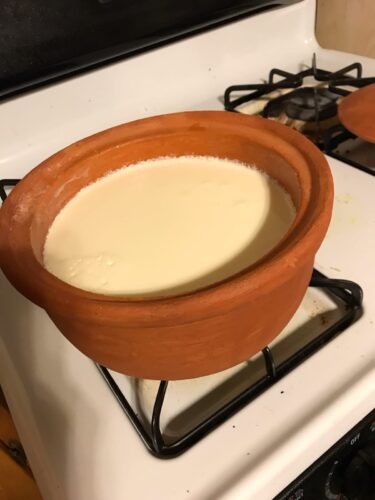
Once your baby is past the initial single-ingredient stage, typically around 7–8 months, full-fat plain yogurt is one of the most nutrient-dense, probiotic-rich foods you can add to their rotation. It’s soft, easy to eat, high in calcium and protein, and live cultures support the developing gut microbiome. Most store-bought yogurt marketed to babies still contains added sugar, stabilizers, modified starches, and artificial flavors. Making it at home takes about 10 minutes of hands-on time and produces something genuinely clean and thick.
Miriam’s clay pots maintain the gentle, consistent warmth that yogurt cultures need to thrive, without any of the synthetic coatings or metal leaching of conventional yogurt makers. The result is a thick, rich yogurt with no additives, no plastics, and live cultures fully intact.
Ready to try it? Our full recipe walks through every step: Make Yogurt at Home: Nutritious and Non-Toxic
Once your yogurt is made, swirl in a small spoonful of sweet potato, banana, or pea puree for a complete, balanced baby meal, made entirely from scratch.
Frequently Asked Questions
Is homemade baby food actually safer than store-bought?
Homemade baby food gives parents full control over ingredients and helps avoid the nutrient losses commonly associated with industrial food processing—losses reported in a significant portion of commercial baby foods. Freshly prepared, nutrient‑dense and antioxidant‑rich grains, lentils, vegetables, beans, and fruits provide the building blocks a growing child’s body depends on.
These foods do more than satisfy hunger; they actively support brain development, immune function, and cellular growth during the most critical stages of life. Proper nourishment gives a child the advantage of facing life with a well‑prepared, resilient, and healthy body. In contrast, diets dominated by heavily processed foods can contribute to nutritional instability—leaving the body weaker, less resilient, and more vulnerable during and beyond development.
What cookware is safest for making homemade baby food?
Pure, unglazed clay is chemically inert, it doesn’t leach metal ions, contains no PFAS coatings, and has no glaze additives that can transfer to food. Additionally, when cooking in these pots, nutrients are not damaged, they are all retained intact. Conventional non-stick pans can release microplastics; metal pots leach ions at cooking temperatures. Miriam’s Non-Toxic Baby Food Maker is tested and certified free of lead, cadmium, and other heavy metals.
When can babies eat yogurt?
Plain, full-fat yogurt is generally appropriate around 6–8 months as part of a varied solid food diet, per AAP guidance. Always choose plain yogurt with no added sugar, and use full-fat, babies need dietary fat for brain and nervous system development.
How do I clean a clay pot after making baby food?
After cooking in the pot, allow for food to cool down, then store in glass bottle and refrigirate. To clean the pot, rinse with water, avoid toxic soap instead use turmeric powder or baking soda or even plain sea salt to scrub and rinse off. For stubborn food, soak briefly in warm water from tap and scrub with a natural brush or spoon and rise off.
Can I freeze baby food made in clay pots?
Yes. Cook purees in your clay pot, let them cool completely, then portion into small glass containers for freezing. Clay pots are for cooking only, and not ideal for freezing, but the food you make in them stores and freezes beautifully.
The Simplest Thing You Can Do for Your Baby’s Health
You don’t need a fancy appliance or an elaborate routine. You need fresh ingredients, a pot you can trust, and about 20 minutes. When you make homemade baby food in pure clay, you’re removing two layers of uncertainty at once: the ingredient risks of commercial processing, and the cookware risks of synthetic coatings and reactive metals. That’s a meaningful thing for a child whose entire life and future depends to a great extent on the quality of food consumed in these early years.
Start simple. two vegetables. One clay pot. One small spoonful.
And when they’re ready for more, make the yogurt.
Keep exploring:
– Which is the Healthiest Cookware for Cooking Baby Food?
– The Health Revolution of Clay Pot Cooking
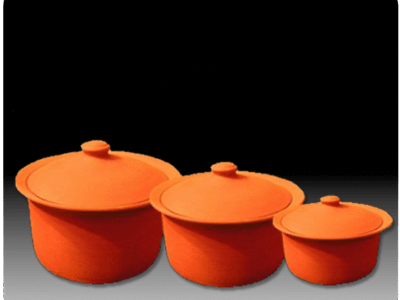
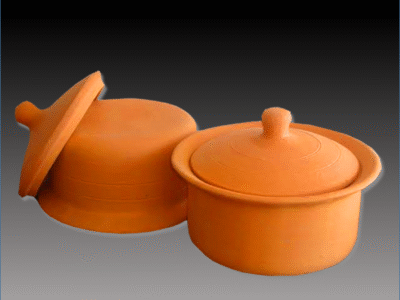
– Miriam’s Non-Toxic Baby Food Maker


0 Comments
Write a Comment