The Most Nutritious Vegetables and How to Cook Them Without Losing Their Benefits
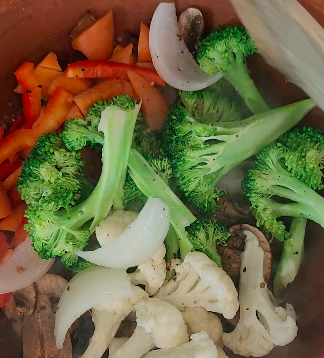
You already know that vegetables are good for you. You probably already buy organic when you can, choose colorful produce, and try to include them in every meal. But here is something most people never think to ask: how much of that nutrition actually survives the cooking process?
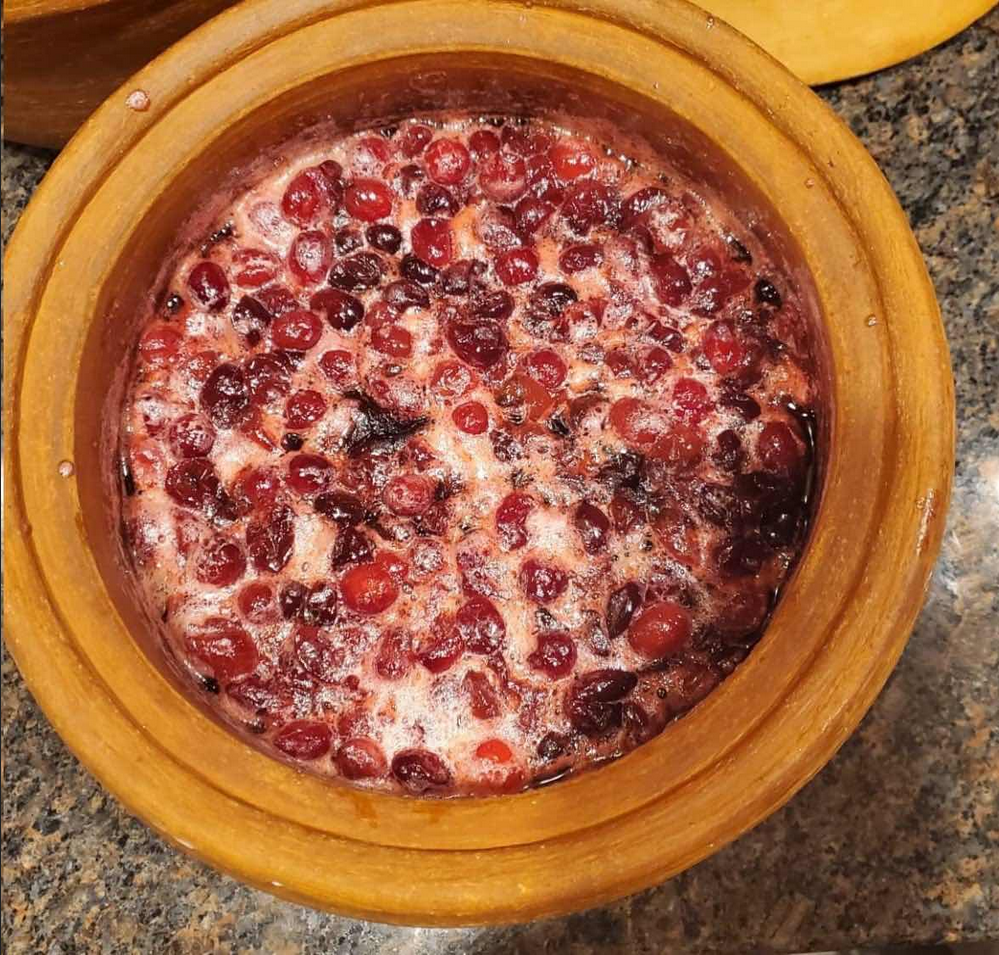
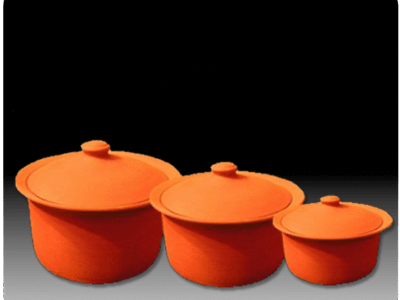
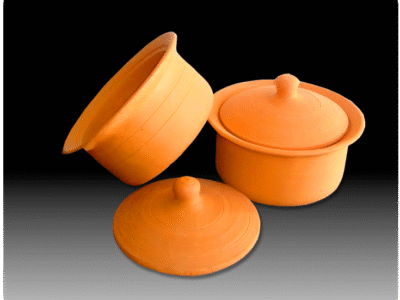
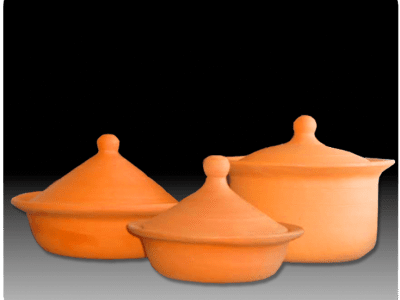
The answer depends on three things, the heat applied, the water used, and the cookware the vegetables are cooked in. Most cooking guides cover the first two. Almost none of them cover the third. And yet the material your vegetables cook in plays a direct role in how much of their vitamin content, phytonutrients, and antioxidants make it to your plate intact. High heat destroys heat-sensitive vitamins. Excess water leaches water-soluble nutrients out of the vegetable and into liquid that gets poured down the drain. And reactive or coated cookware surfaces introduce variables into the cooking environment that no one accounts for when they are standing at the stove trying to make a healthy dinner. This week we are covering the most nutrient-dense vegetables worth prioritizing, exactly how to cook each one to retain maximum nutrition, and why pure unglazed clay cookware produces a consistently more nutrient-preserving cooking environment than any metal pan or coated pot on the market.