How to Cook Sweet Potatoes (Roasting, Steaming, Soups & Salads) Using Non-Toxic Clay Cookware
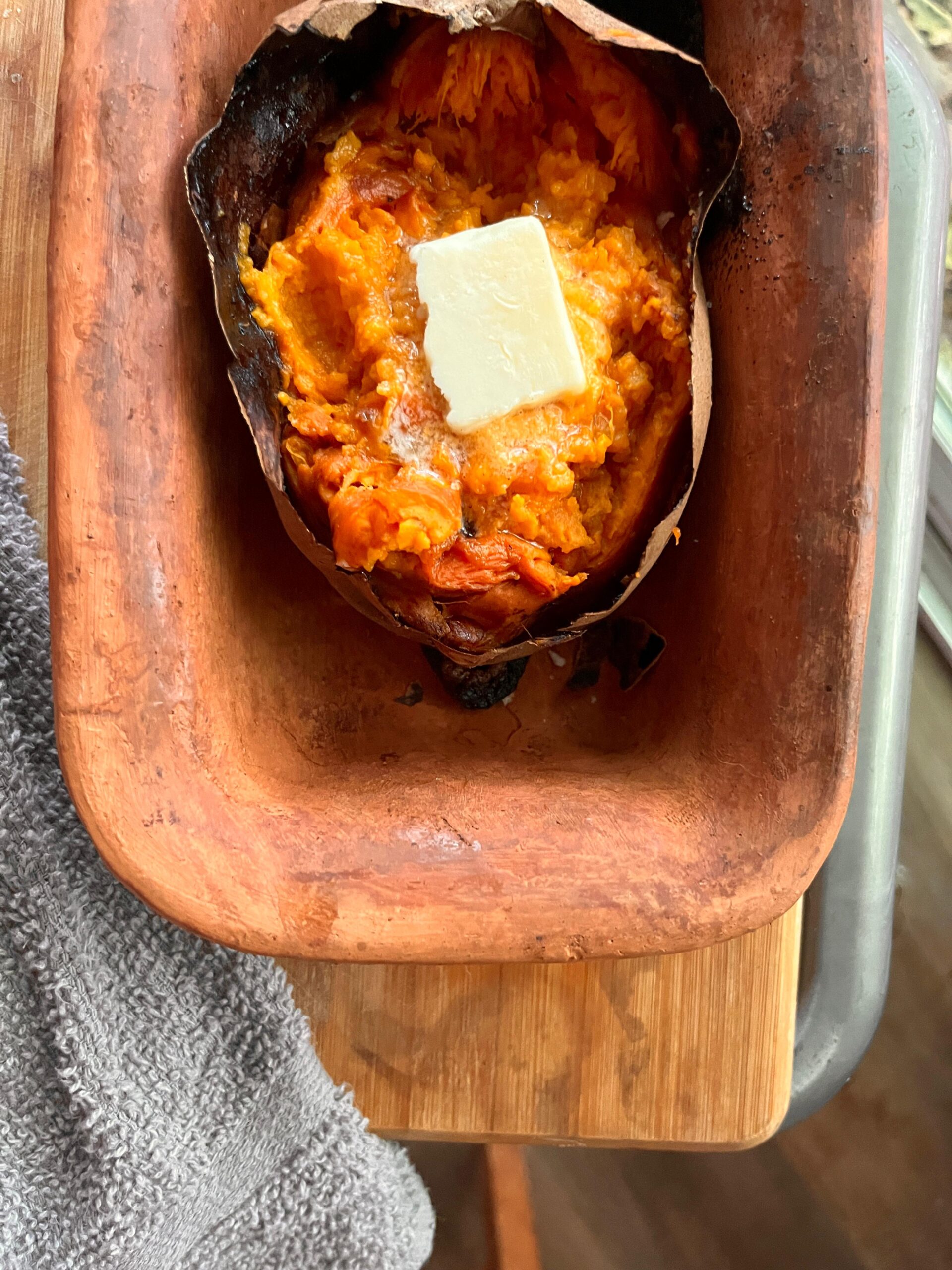
Sweet potatoes are one of the most versatile and nutrient-dense vegetables you can bring into your kitchen, and most people are only scratching the surface of what they can do with them. Whether you prefer them roasted until caramelized and crispy, steamed to a silky tenderness, blended into a warming coconut soup, or tossed into a meal-prep salad that holds up all week, sweet potatoes have a place in nearly every kind of meal. But here is something most cooking guides leave out: the cookware you use changes the result more than almost any other variable. How heat is delivered, how moisture is retained, and what materials come into contact with your food all affect the final texture, flavor, and nutritional value of everything on your plate.
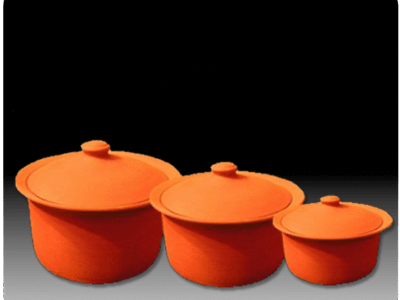
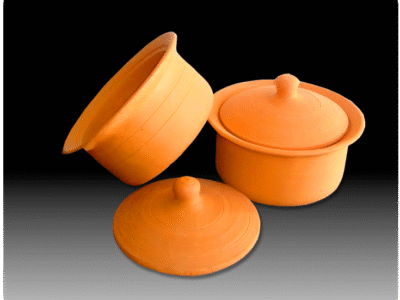
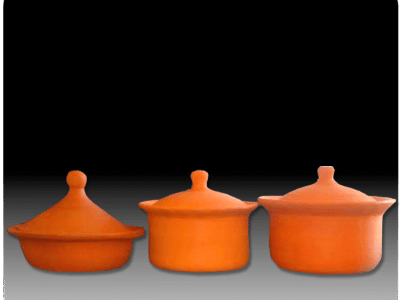
This week we are covering every major method for how to cook sweet potatoes. From roasting and steaming to soups and salads with full recipes for each, and explaining exactly why Miriam’s pure clay cookware produces results that metal and coated pans simply cannot match.
Read More