Non-Toxic Kitchenware

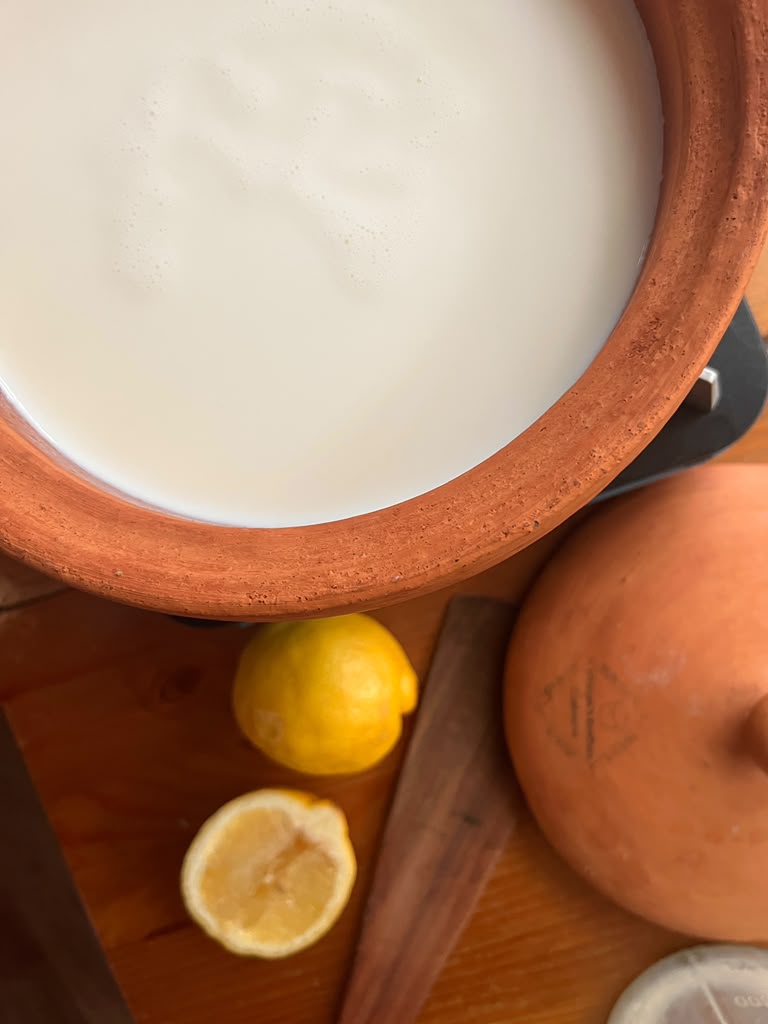
The Non-Toxic Way to Make Yogurt, Kefir & Cheese at Home

The Non-Toxic Way to Make Yogurt, Kefir & Cheese at Home

Homemade yogurt, kefir, and fresh cheese are having a serious moment, and for good reason! They are nutrient-dense, probiotic-rich, and far superior to most of what lines the dairy aisle at the grocery store. But there is one part of the homemade fermentation conversation that almost nobody is talking about: what you make them in.

Fermented foods are acidic by nature. And acidic foods are particularly effective at drawing material out of reactive cookware surfaces, which means the pot you heat your milk in is not as passive a vessel as most people assume. Most fermentation guides tell you exactly what temperature to culture your yogurt at and how long to ferment your kefir. None of them tell you that making these foods in a reactive or coated pan quietly works against the very reason you are making them in the first place.

This week we are covering everything you need to know about making yogurt, kefir, and fresh cheese at home, the ingredients, the step by step process for each, and why Miriam’s pure unglazed clay is the cleanest, most natural vessel for doing it right.

Read More

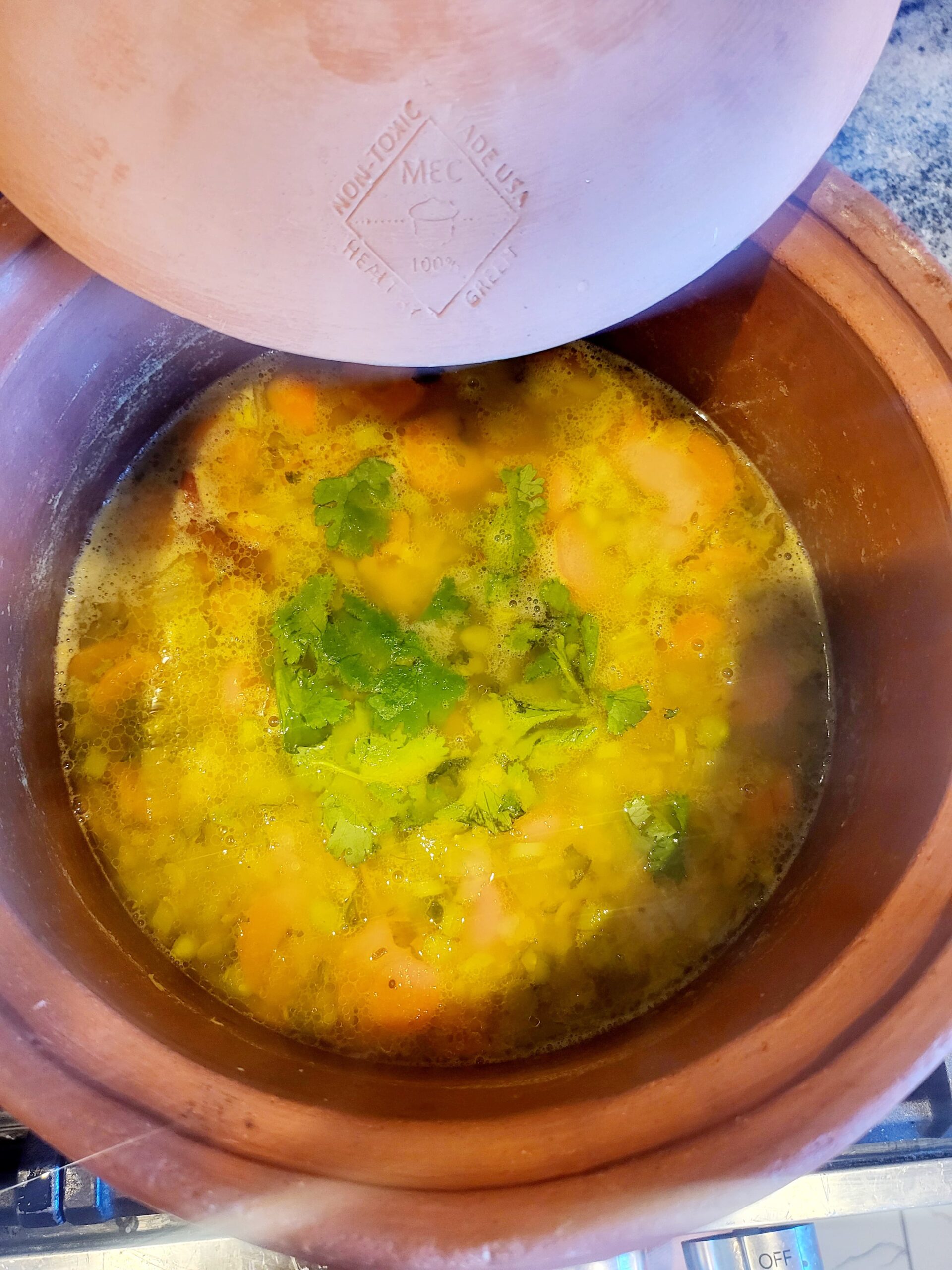
How to Cook Sweet Potatoes (Roasting, Steaming, Soups & Salads) Using Non-Toxic Clay Cookware

How to Cook Sweet Potatoes (Roasting, Steaming, Soups & Salads) Using Non-Toxic Clay Cookware

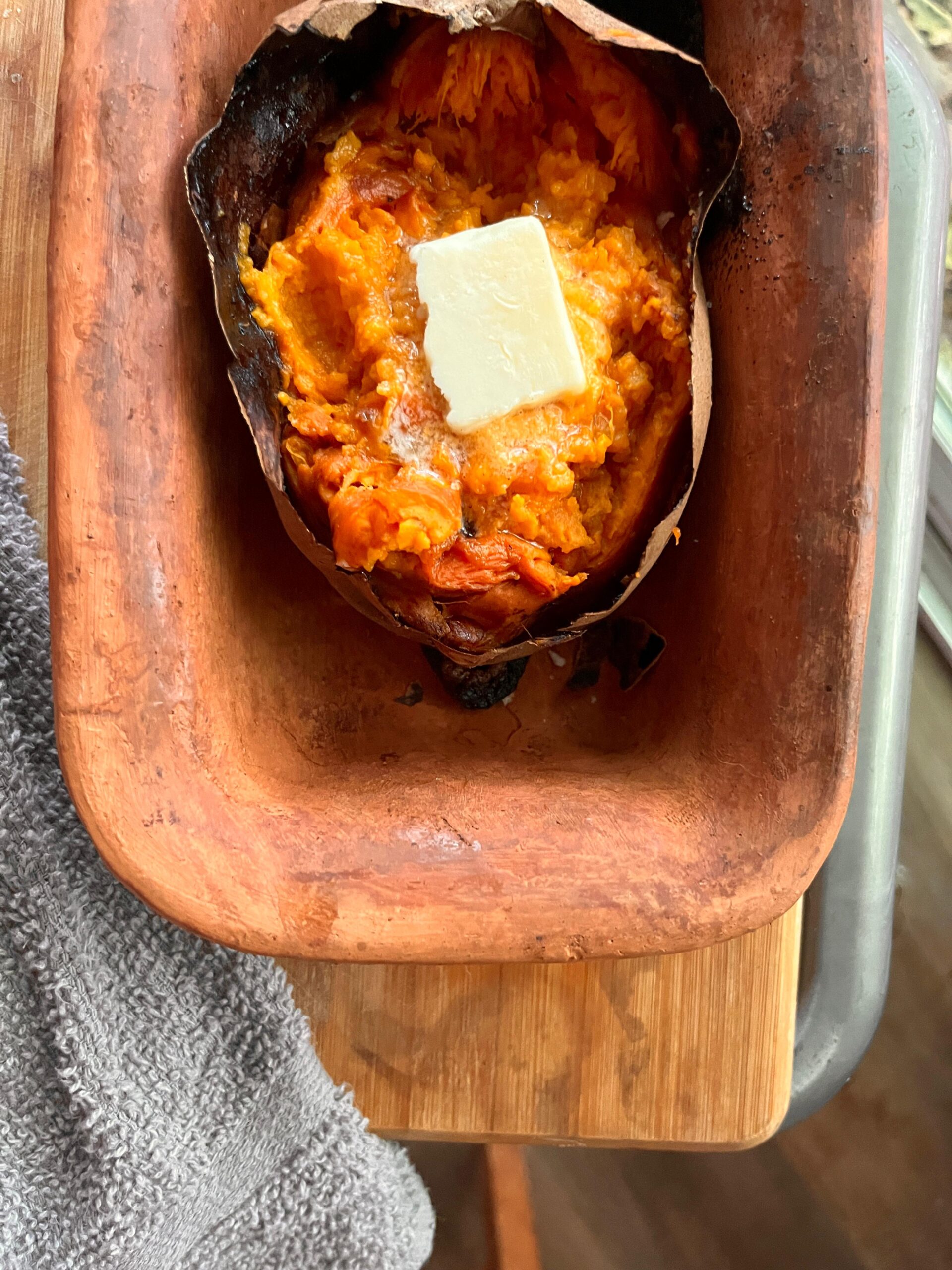
Sweet potatoes are one of the most versatile and nutrient-dense vegetables you can bring into your kitchen, and most people are only scratching the surface of what they can do with them. Whether you prefer them roasted until caramelized and crispy, steamed to a silky tenderness, blended into a warming coconut soup, or tossed into a meal-prep salad that holds up all week, sweet potatoes have a place in nearly every kind of meal. But here is something most cooking guides leave out: the cookware you use changes the result more than almost any other variable. How heat is delivered, how moisture is retained, and what materials come into contact with your food all affect the final texture, flavor, and nutritional value of everything on your plate.

This week we are covering every major method for how to cook sweet potatoes. From roasting and steaming to soups and salads with full recipes for each, and explaining exactly why Miriam’s pure clay cookware produces results that metal and coated pans simply cannot match.

Read More

Collard Greens Recipes That Are Tender, Flavorful, and Better in a Clay Pot

Collard Greens Recipes That Are Tender, Flavorful, and Better in a Clay Pot

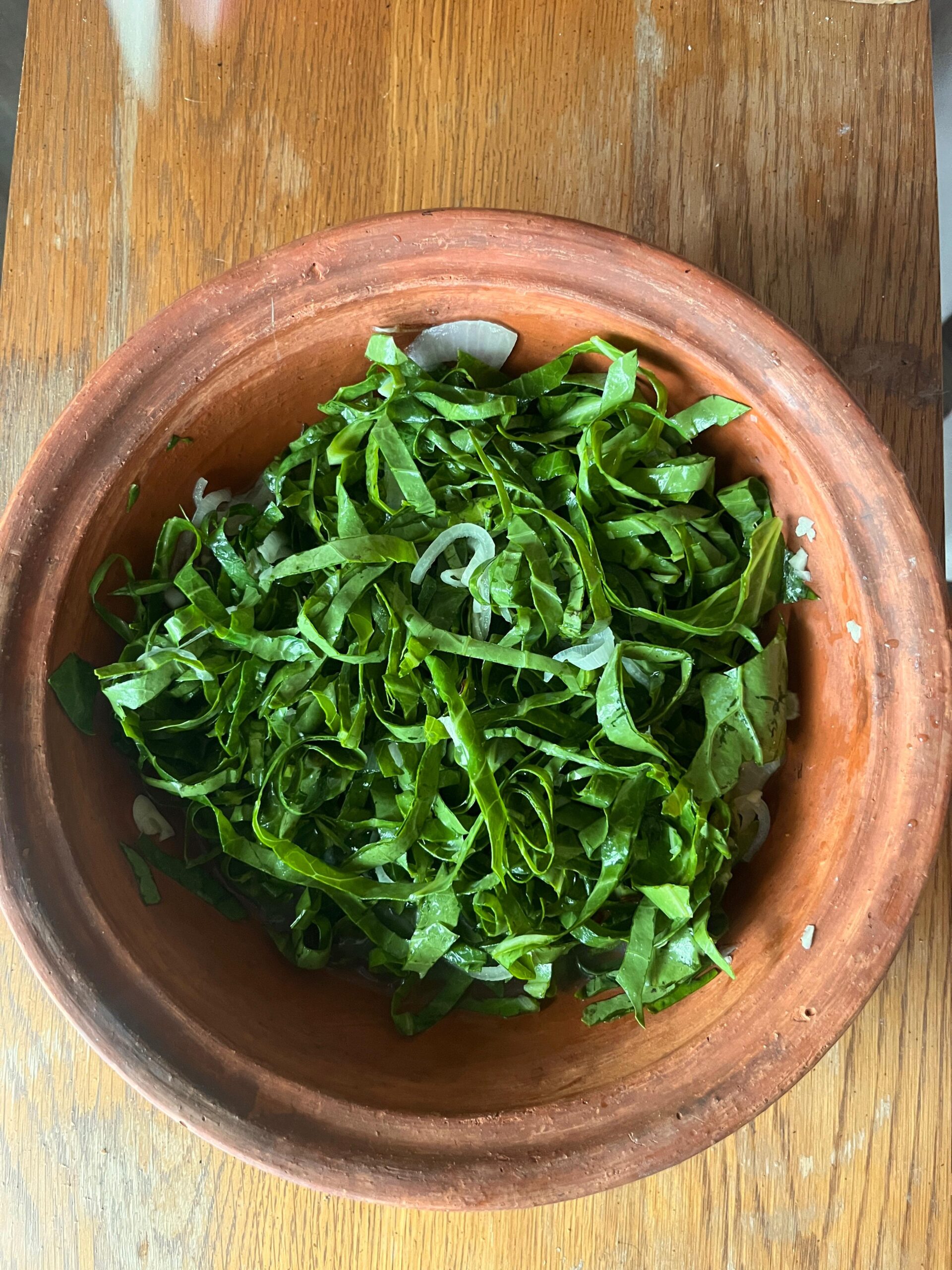
Collard greens have a reputation that does not always do them justice. Too often they come out bitter, tough, or flat, and most of the time the recipe gets the blame when the real culprit is the pot they were cooked in. High heat from metal cookware concentrates bitterness, drives off moisture, and pushes through the greens before they have had a chance to properly break down. The result is a dish that never quite lives up to what it should be.
Inside this post you will find a full step-by-step recipe, tips for cleaning and prepping your greens, variations for both traditional southern style and fully plant-based cooking, and everything you need to know about why clay makes all the difference.

Read More

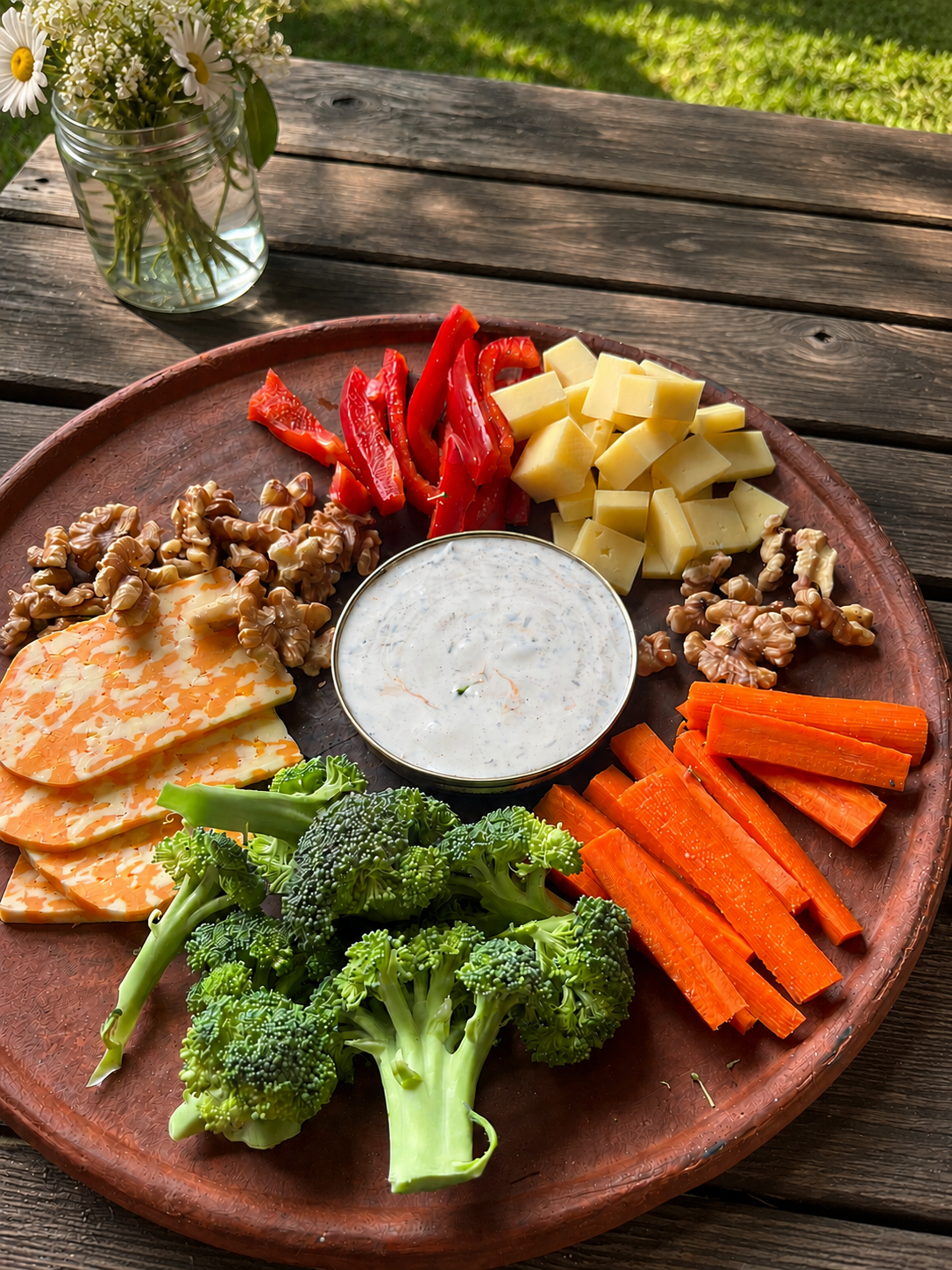
The Secret to Crispy Healthy Pizza Is a Clay Griddle

The Secret to Crispy Healthy Pizza Is a Clay Griddle

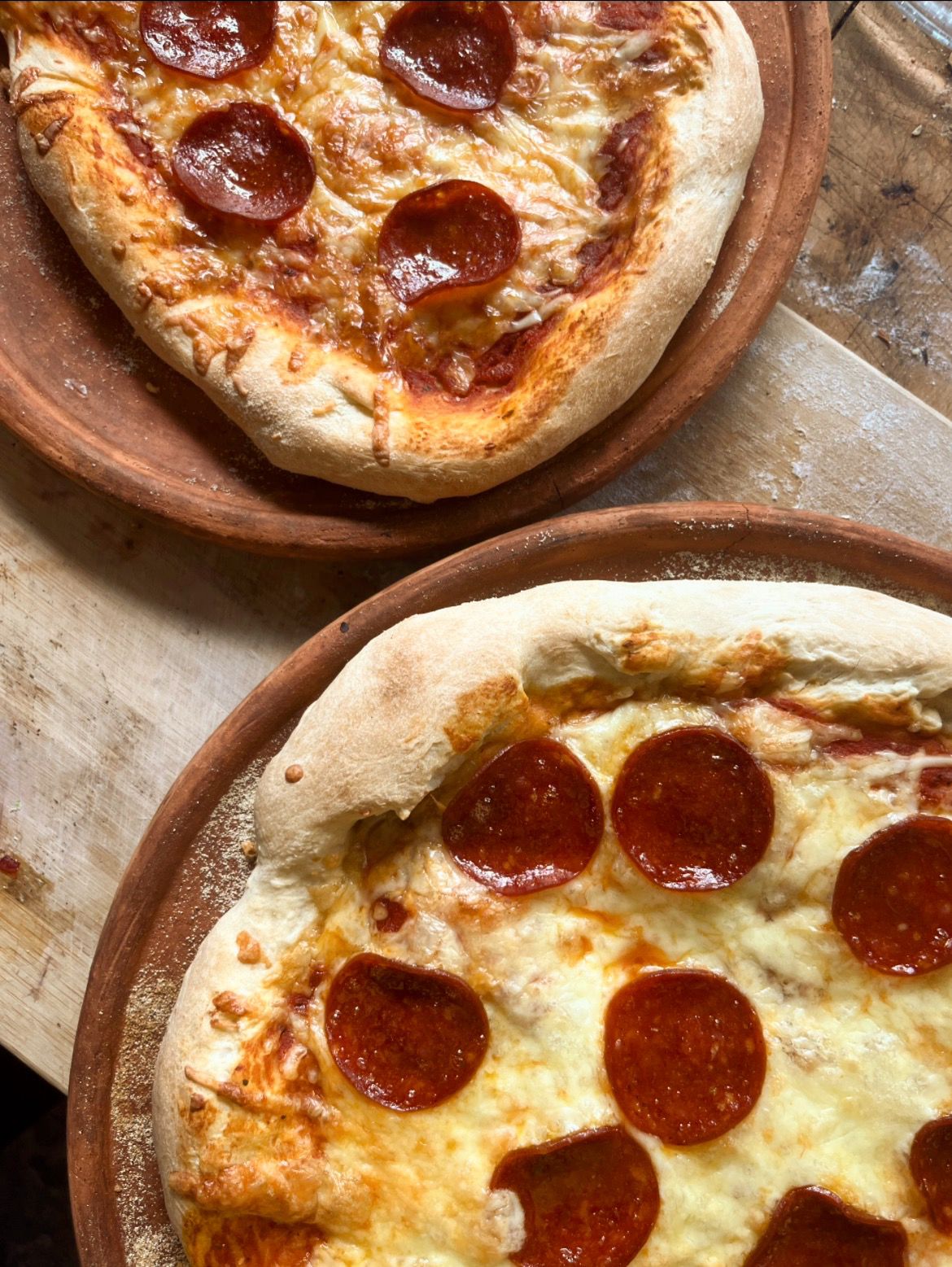
Most home cooks assume a pizza stone is the gold standard for homemade pizza, but pizza stones are typically made from cordierite, ceramic, or composite materials, and many are coated or sealed with substances that are never disclosed on the label. Miriam’s clay griddles are made from 100% primary, all-natural clay sourced in the USA. No glazes, no synthetic coatings, no additives, no heavy metals. What touches your pizza dough is nothing but pure, unaltered earth.

Inside, we’re covering exactly why clay produces such an exceptional crust, how to get the most out of your griddle, and three healthy pizza recipes you can make tonight.

Read More

12 Traditional and Healthy Ways to Cook Eggs in Miriam’s Earthen Cookware

12 Traditional and Healthy Ways to Cook Eggs in Miriam’s Earthen Cookware

Discover 12 traditional and healthy ways to cook eggs in pure clay cookware. From scrambled and fried to shakshuka and frittata, clay pot egg recipes that are non-toxic, nutrient-rich, and delicious

Read More

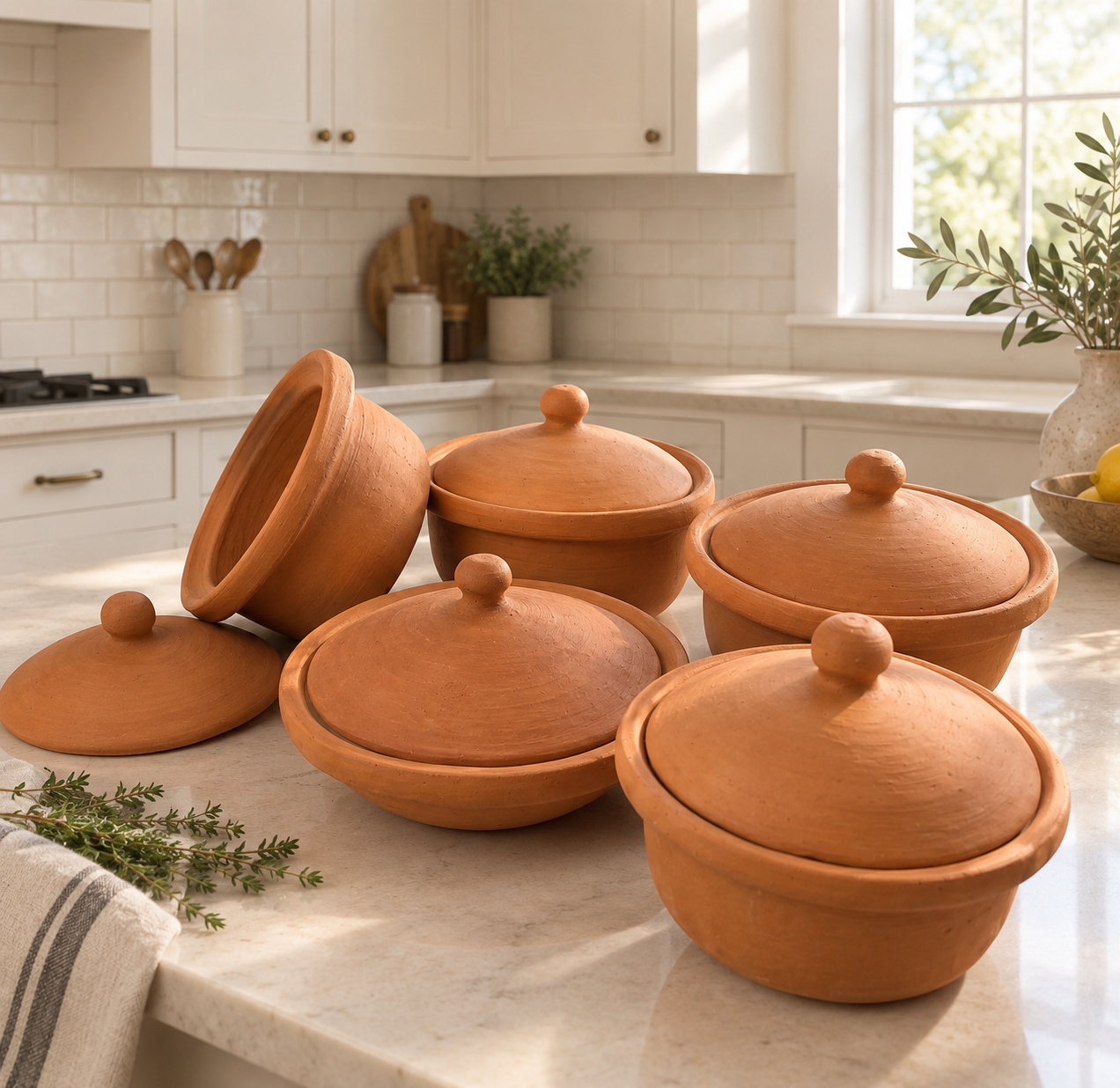
Cookware & Bakeware Buying Guide: How to Choose the Right Sets for Your Kitchen

Cookware & Bakeware Buying Guide: How to Choose the Right Sets for Your Kitchen

Choosing cookware and bakeware for your home shouldn’t feel overwhelming, yet for many people, it does! With dozens of shapes, sizes, materials, and “must-have” recommendations circulating online, it’s difficult to know what you actually need for your kitchen. The truth is, most households don’t need massive sets of mismatched pots and pans. What they do need are a few thoughtfully selected pieces that fit their lifestyle, their family size, and their cooking habits.

This guide breaks that down…

Read More

Is Silicone Safe for Non-Toxic Cooking?

chemicals and the leaching increases at cooking temperature, especially in presence of oils. Studies have shown siloxanes leaching from silicone nipples in baby bottles and bakeware, and that siloxanes can impair fertility, and are potentially carcinogenic and endocrine disruptors.

Read More

How Safe are Non-Stick Pans, and are there Healthier and Safer Options?

How Safe are Non-Stick Pans, and are there Healthier and Safer Options?

One of the more predominant pieces of cookware on the market is a pan with a non-stick coating. With the natural stickiness of some foods like eggs, sugars, and rices, many opt for this type of coated cookware to make cleanup easy after preparing a meal. We have all seen how some nonstick pans are so good at their job that you can have an egg slide around in the pan as if gliding on air! But are non-stick pans safe? Unfortunately, although nonstick cookware may be extremely convenient, it might not be a healthy choice for our body. This article serves as a guide on commonly used nonstick pots and pans and their health impact as well as presenting the many benefits of a safe and healthy option.

Read More